
 ENG
ENG
 English
 русский
 한국어
한국어 Deutsch
Submit feedback
News

How to Tell If a Power Strip Is Surge Protected: 5 Checks
 2026.08.03
 Industry News
Content
Why Power Strips and Surge Protectors Look Identical
Set a basic power strip next to a surge protector and there's a good chance you can't tell them apart. Same shape, same row of outlets, sometimes the same brand. But only one of them is actually built to absorb a voltage spike before it reaches your television, router, or laptop charger. The other is just a convenient way to turn one wall outlet into six.
That difference matters more than it looks. A basic power strip simply extends power; it has no component designed to react when voltage jumps above normal. If a surge comes through the line, whatever's plugged into a non-protected strip takes the hit directly. The good news is that figuring out which one you actually own takes a few minutes and doesn't require opening anything up.
Check the Label for These Exact Words
Start with the strip itself, or the box it came in if you still have it. Manufacturers that build in surge protection almost always say so directly, using specific wording rather than vague safety language. Look for terms like "surge protector," "surge protection," "suppression," or "voltage spike protection" printed near the outlets or on the underside of the unit.
If none of that language appears anywhere, the strip is most likely a standard extension unit. Marketing terms like "safe," "heavy-duty," or "protected outlets" are not the same thing and don't confirm surge protection on their own. The absence of the specific terminology is itself a reliable signal.
Find the Joule Rating
A joule rating tells you how much surge energy the unit can absorb before its internal protection wears down. It's usually printed on the packaging or on a label on the strip itself, often as a number followed by "joules," such as 600J or 2000J. A higher number generally means more absorption capacity and a longer useful life under repeated smaller surges.
If you can't find a joule rating anywhere on the product or its packaging, that's a strong indicator the strip doesn't include surge protection at all. Genuine surge protectors list this number because it's a meaningful spec buyers compare; a plain power strip has nothing equivalent to advertise.
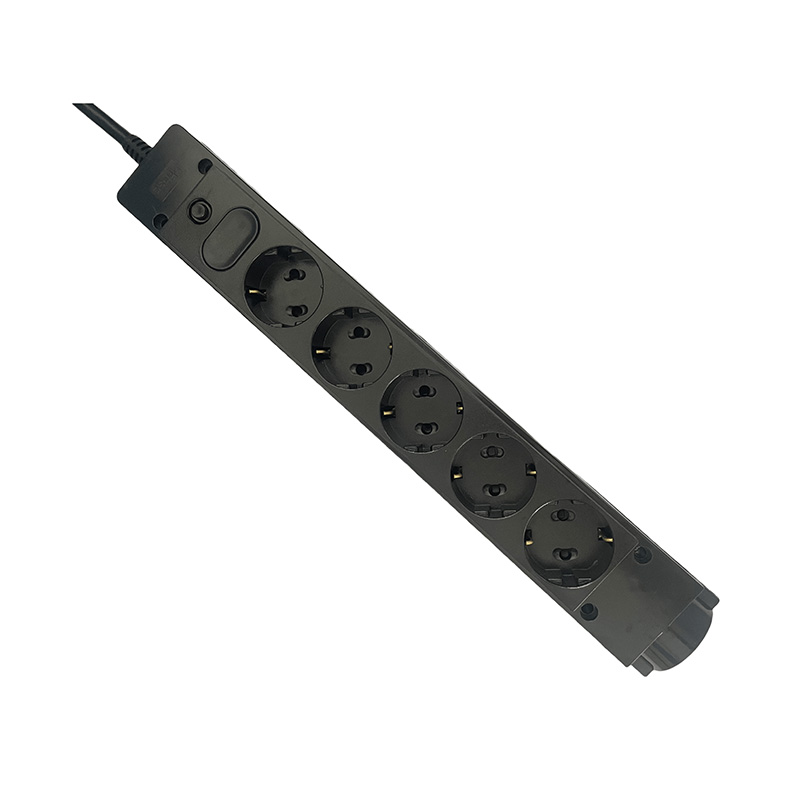
Look for a Protection Indicator Light
Many surge-protected strips include a small indicator light, usually labeled "protected," "grounded," or shown with a color code. A lit green light typically means the surge protection component is intact and functioning. If that light is off, dim, or absent entirely on a strip that should have one, the protection may have already been used up by a past surge event, even though the strip still passes power normally.
This is worth checking periodically, not just at purchase. Surge protection components degrade with use, especially after a strong surge like a nearby lightning strike, and a strip can continue supplying power long after its protective element has stopped doing anything.
Confirm UL 1449 Certification
The most reliable check is also the least visible one at a glance: certification to UL 1449, the safety standard specifically written for surge protective devices. A strip that only carries general electrical safety certification, without a UL 1449 listing, hasn't been tested against the standard that actually evaluates surge performance.
UL 1449 testing measures how much voltage a device lets through during a simulated surge, a figure known as the Voltage Protection Rating, and confirms the device survives repeated overvoltage events without failing unsafely. The NEMA Surge Protection Institute's explanation of UL 1449 breaks down what this certification actually verifies, and it's a useful reference if a product's UL marking doesn't specify which standard it was tested against.
Overload Protection Is Not the Same as Surge Protection
This is where a lot of confusion starts. Plenty of power strips include a circuit breaker or overload protection switch, and that switch does something real: it cuts power when the strip draws more current than it's rated for, preventing overheating from too many devices on one strip. What it does not do is react to a voltage spike coming in from the wall.
Overcurrent, overvoltage, and short-circuit protection are separate mechanisms built to guard against separate failure modes, and a strip can include one without the other. For a closer look at exactly how a power strip responds to overvoltage and short-circuit faults, it helps to understand these mechanisms as distinct layers of protection rather than one general "safety feature."
Choosing a Power Strip With Real Surge Protection
Once you know what to look for, picking the right strip comes down to matching the joule rating and outlet count to what you're actually plugging in. A strip protecting a router and a lamp doesn't need the same joule rating as one protecting a desktop computer, monitor, and external drives.
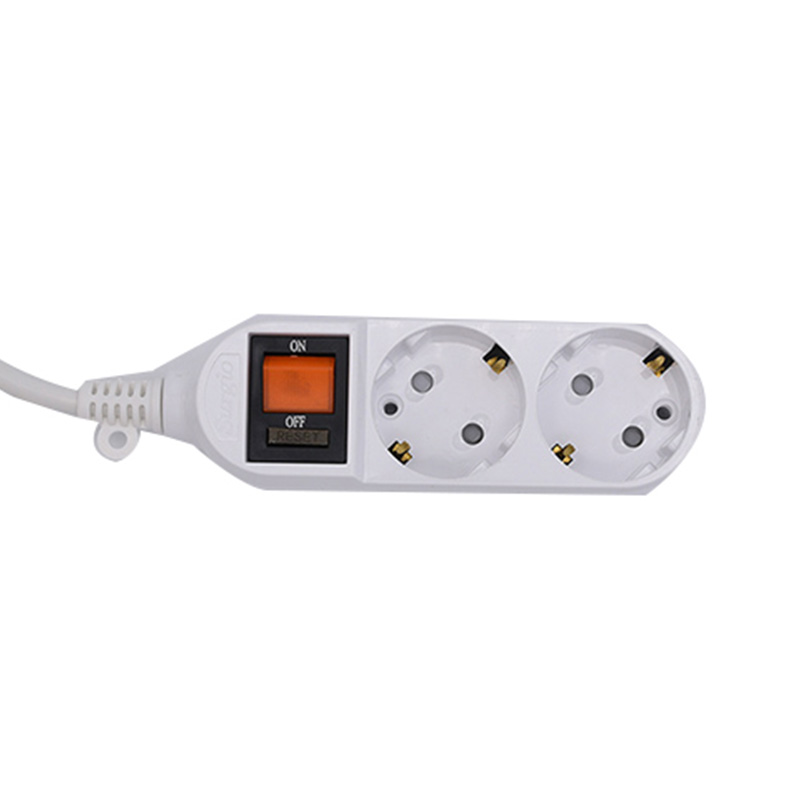
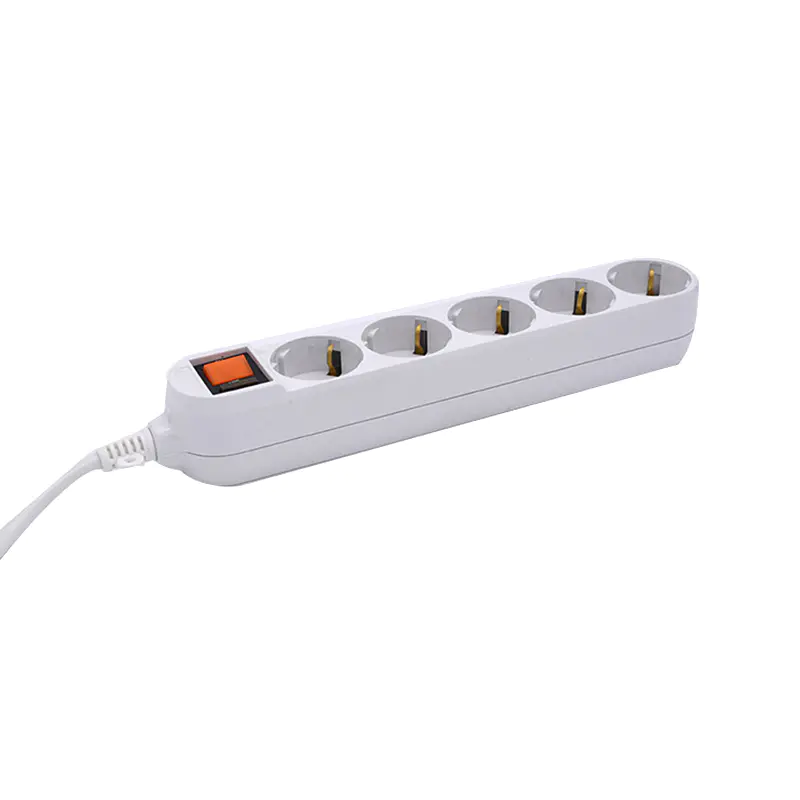
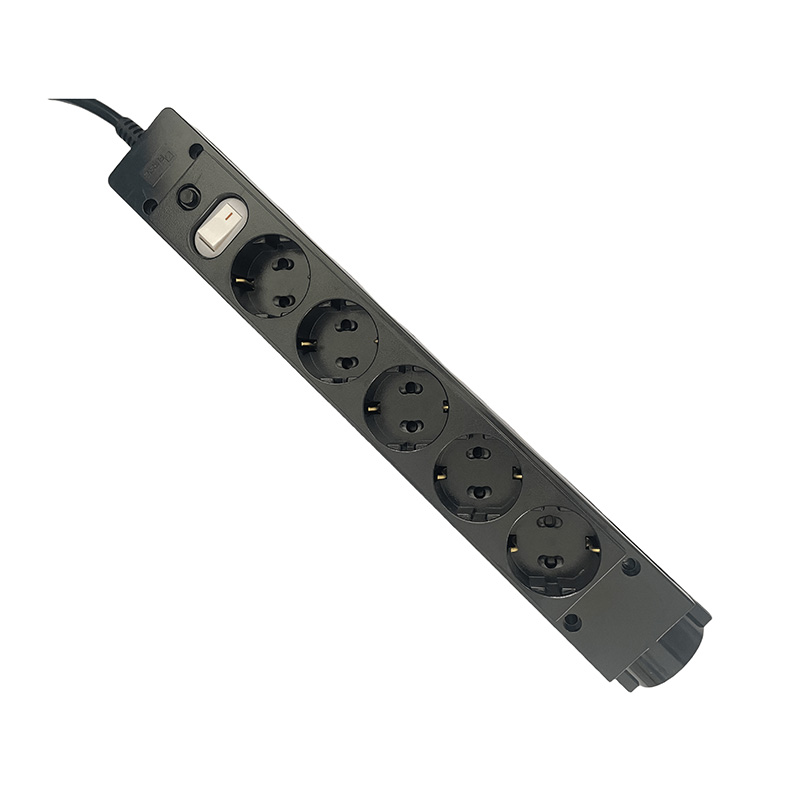
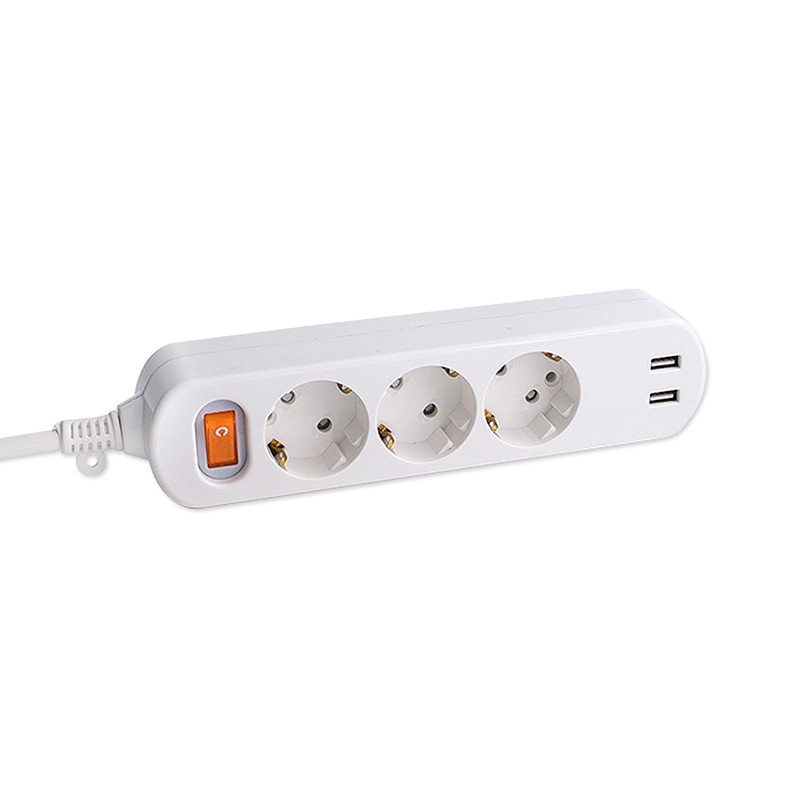
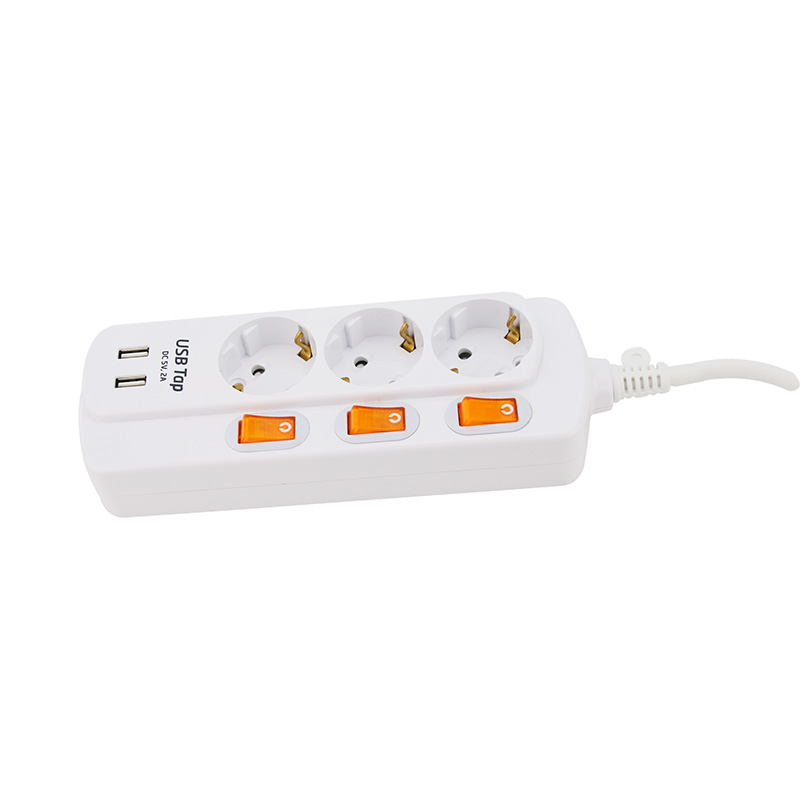
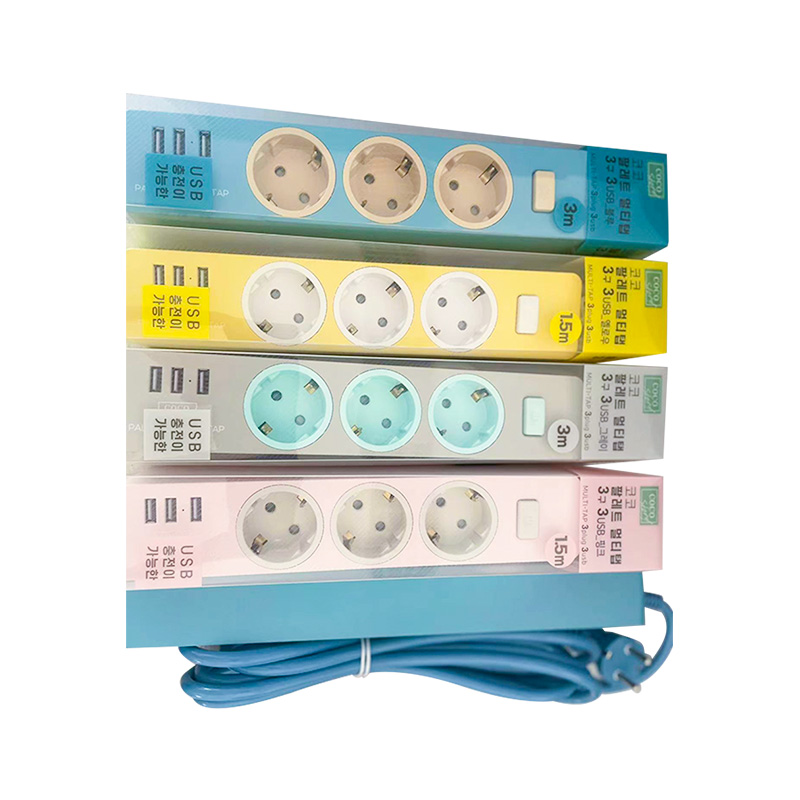
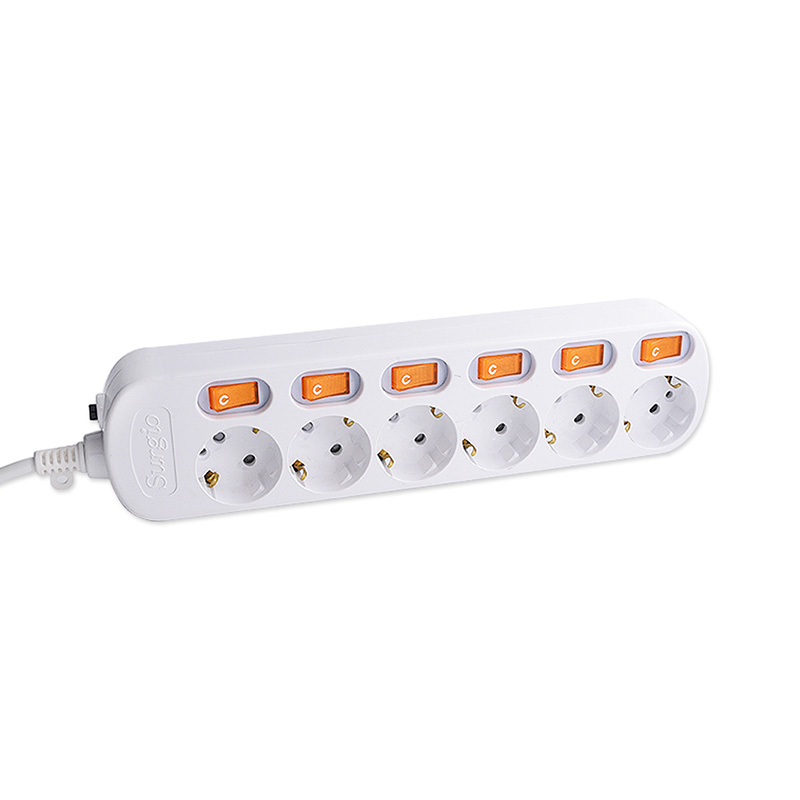
It's also worth pairing surge protection with sensible usage habits, since even a well-rated strip can be undermined by overloading it or daisy-chaining multiple strips together. A broader safety guide on what not to plug into a power strip covers those habits in more detail, and buyers comparing options can browse a full range of EU and KC standard power strips to find a joule rating and outlet configuration that matches their setup.
PRODUCTS
ABOUT US
CONTACT INFO.
- +86-18758062352
- +86-0571-64701616
- [email protected]
- No. 7, Xinqu Road, Xin’Anjiang Street, Jiande, Hangzhou, Zhejiang, China

Copyright © 2023 Hangzhou Newmany Electronics Co., Ltd. All Rights Reserved. Power Strip Manufacturer in China| Login

 TOP
TOP