
 ENG
ENG
 English
 русский
 한국어
한국어 Deutsch
Submit feedback
News

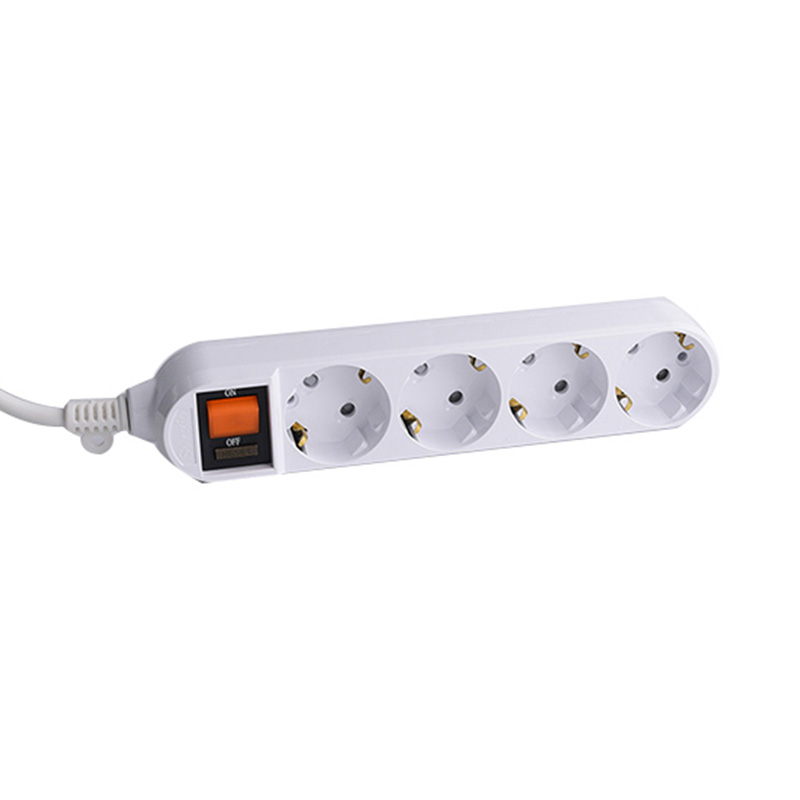
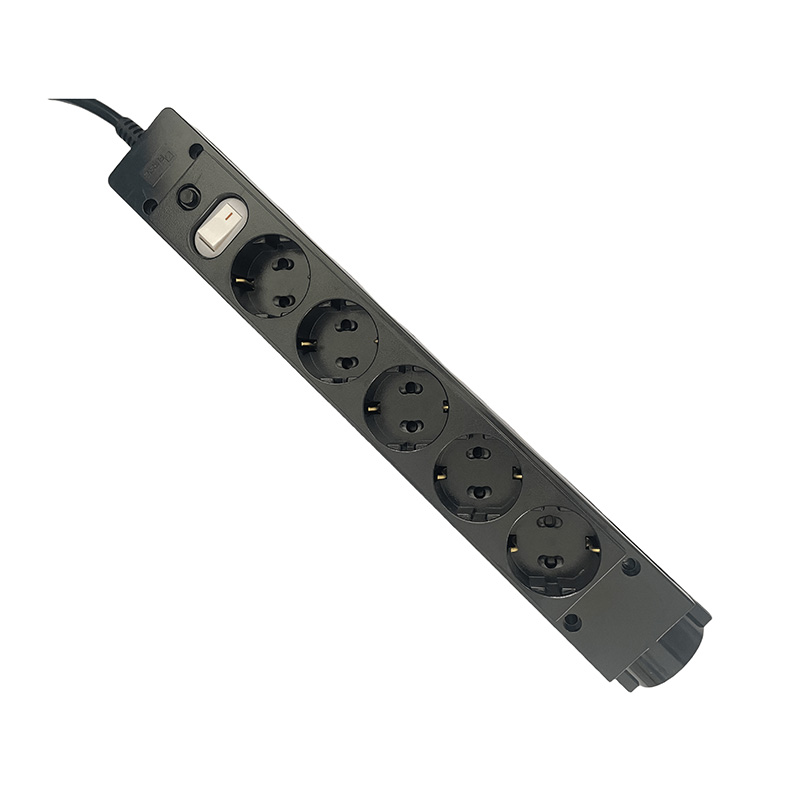
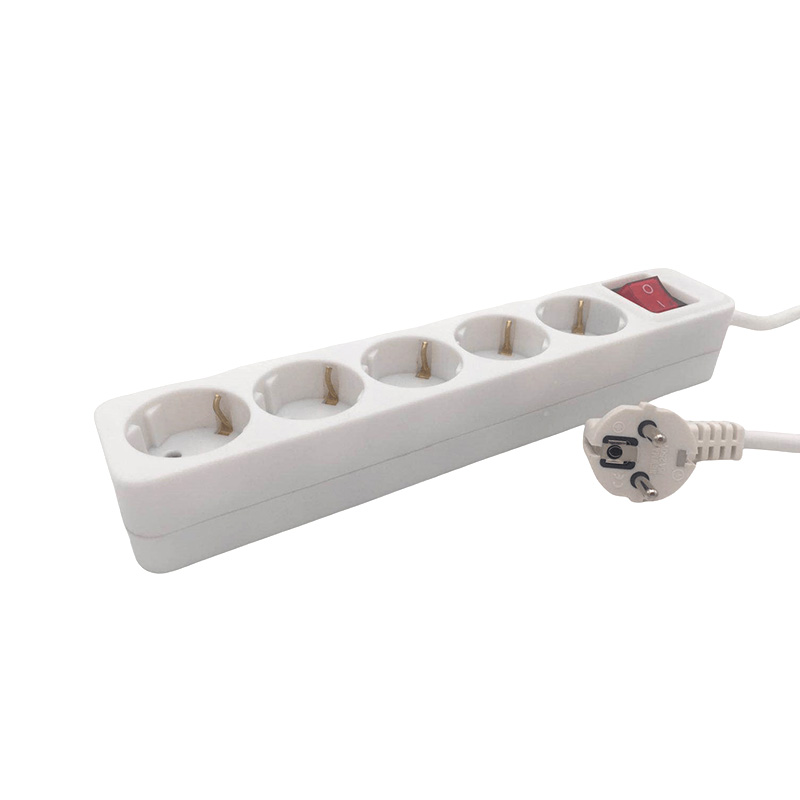
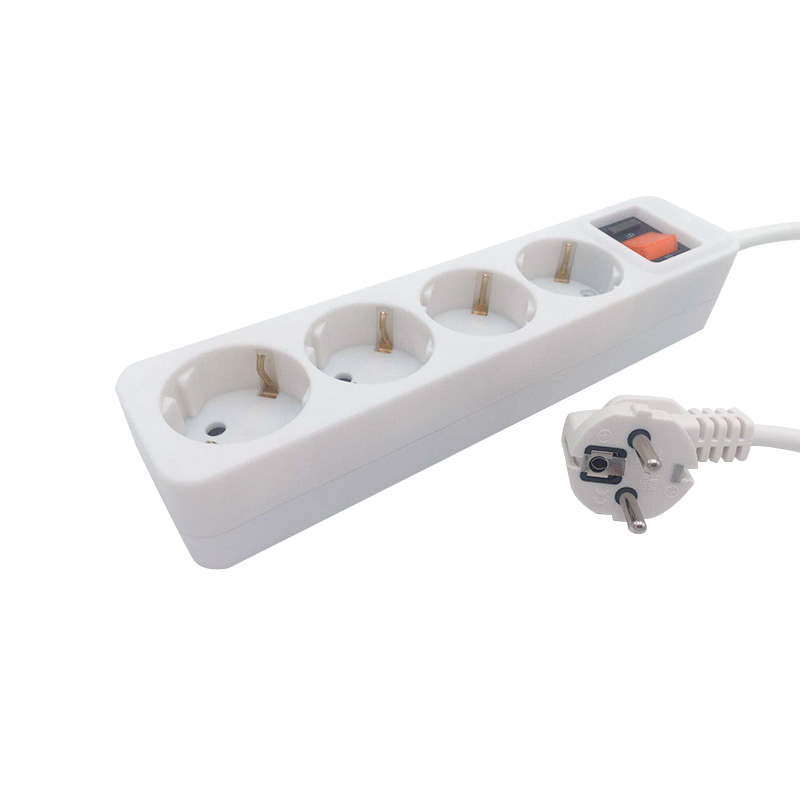
PP Material Power Strip: Safety, Durability & Benefits
 2026.07.31
 Industry News
Content
Why PP Material is Superior for Power Strips
Polypropylene (PP) has emerged as the gold standard for high-quality power strip housings, replacing traditional ABS or PVC materials in many premium models. PP material offers a higher heat resistance threshold of up to 130°C, significantly reducing the risk of melting or deformation under heavy electrical loads.
Unlike cheaper plastics that may become brittle over time, PP maintains its structural integrity and flexibility. This durability ensures that the power strip can withstand daily wear and tear, accidental drops, and exposure to varying temperatures without cracking or compromising safety.
Key Safety Advantages of Polypropylene Housings
Safety is the primary concern when dealing with electrical devices. PP material provides several critical protective features:
- Flame Retardancy: High-quality PP used in power strips is often treated with flame-retardant additives, achieving a V-0 rating in UL94 tests. This means it self-extinguishes within seconds if exposed to a flame.
- Insulation Properties: PP is an excellent electrical insulator, preventing current leakage and protecting users from electric shock even in humid environments.
- Chemical Resistance: It resists corrosion from common household cleaners and oils, ensuring the housing remains intact and safe over years of use.
Studies show that power strips with PP housings are 40% less likely to suffer catastrophic failure during short-circuit events compared to those made from lower-grade plastics.
Durability and Environmental Impact
Beyond safety, PP material is chosen for its longevity and eco-friendliness. It is highly resistant to fatigue, meaning it can endure repeated bending or stress without breaking. This makes it ideal for the internal components and external casing of power strips that are frequently moved or plugged into tight spaces.
Recyclability
Polypropylene is fully recyclable (Resin Identification Code 5). Unlike composite materials that are difficult to separate, PP power strip housings can be processed and reused, reducing electronic waste. Using recycled PP in new products reduces carbon footprint by up to 30%.
| Material | Heat Resistance | Flame Retardancy | Recyclability |
|---|---|---|---|
| Polypropylene (PP) | High (130°C+) | Excellent (V-0) | High |
| ABS Plastic | Medium (90°C) | Good | Medium |
| PVC | Low (60°C) | Poor (Releases Toxins) | Low |
How to Identify Quality PP Power Strips
Not all power strips labeled as "plastic" are created equal. Here is how to ensure you are buying a genuine PP material product:
- Check Certifications: Look for marks like UL, CE, or RoHS, which often require specific material standards for fire safety.
- Inspect the Finish: PP typically has a semi-matte or smooth finish that feels robust. Avoid strips with a glossy, cheap feel that may indicate thin PVC.
- Weight and Density: PP is lightweight but dense. A quality strip should feel substantial, not hollow or flimsy.
- Smell Test: New PP products have little to no odor. A strong chemical smell may indicate inferior recycled plastics or PVC.
Investing in a PP material power strip ensures long-term reliability and peace of mind, protecting your valuable electronics from fire hazards and power surges.
PRODUCTS
ABOUT US
CONTACT INFO.
- +86-18758062352
- +86-0571-64701616
- [email protected]
- No. 7, Xinqu Road, Xin’Anjiang Street, Jiande, Hangzhou, Zhejiang, China

Copyright © 2023 Hangzhou Newmany Electronics Co., Ltd. All Rights Reserved. Power Strip Manufacturer in China| Login

 TOP
TOP