
 ENG
ENG
 English
 русский
 한국어
한국어 Deutsch
Submit feedback
News
 Home / News / Industry News / Are Power Strips Safe? What Protection, Materials, and Certifications Tell You
 Are Power Strips Safe? What Protection, Materials, and Certifications Tell You
 2026.07.20
 Industry News
Content
So, Are Power Strips Actually Safe?
Yes — a properly built power strip, used the way it's meant to be used, is safe. The confusion comes from the fact that most fire and shock incidents blamed on power strips aren't really about the strip itself. They come from overloading a unit rated for light electronics, running a cord under a rug where heat can't dissipate, or plugging one strip into another to squeeze out a few extra outlets.
A power strip is a passive device. It doesn't generate risk on its own; it either manages the current passing through it safely, or it doesn't, depending on how it was engineered and how it's treated. That distinction — design versus misuse — is really what determines whether the answer to "is this safe" is yes or no for any given unit.
Built-In Protection: What Keeps a Power Strip Safe
The gap between a strip that trips safely and one that overheats usually comes down to what's happening inside the housing, not what's visible from outside. Overload protection switches monitor current draw and cut the circuit before wiring or components reach a dangerous temperature, rather than letting a fault run until something melts.
Better-designed units go further, with circuitry that can actually detect a fault condition and isolate the affected outlet without shutting down the whole strip. Some models take this a step further with self-diagnostic monitoring that reports fault information rather than failing silently, which matters most in settings where a strip is powering equipment nobody is watching closely.
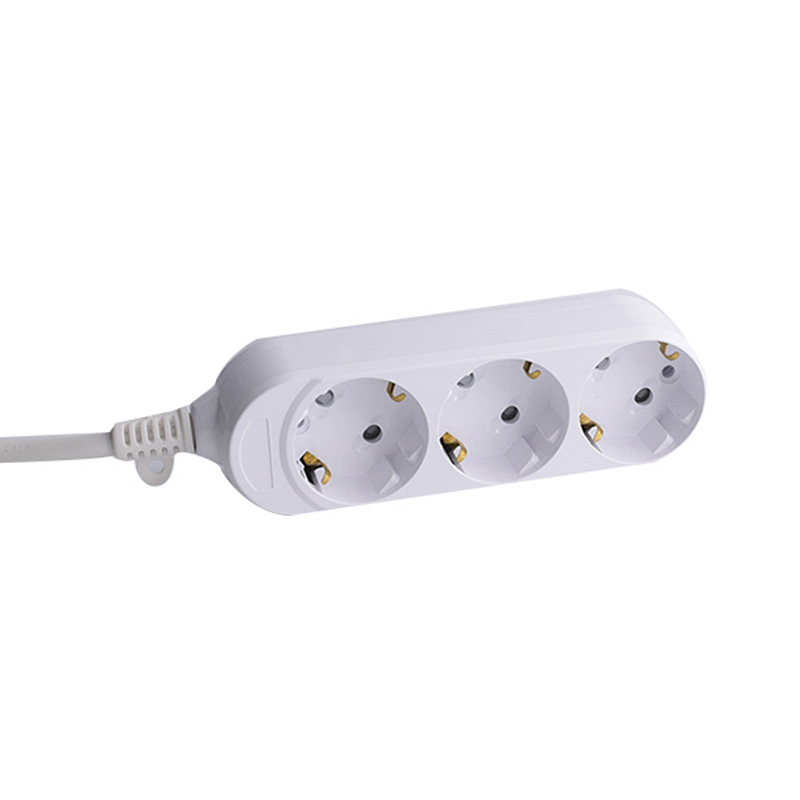
Does the Housing Material Matter?
It does, more than most buyers assume. The plastic enclosing a power strip's internal wiring is the last line of defense if something inside does go wrong, and not all plastics behave the same way under heat.
PC (polycarbonate) housings are valued for how they hold up under sustained heat without deforming or igniting — the relationship between heat resistance and flame retardancy in PC material strips is a big part of why the material shows up so often in higher-rated products. PP (polypropylene) housings offer a different tradeoff, with strong resistance to oils, cleaning chemicals, and moisture — the kind of chemical resistance that affects a strip's long-term durability in kitchens, workshops, or industrial settings.
Neither material makes a strip safe by itself, but a housing that can't withstand heat or chemical exposure will fail faster than the electronics inside it — and that failure point matters.
Certifications Worth Checking For
A power strip without third-party safety testing is a gamble, no matter how solid it looks. In the US, that means a UL listing; in the EU, a CE mark. Both indicate the unit has been tested against defined electrical safety standards rather than just assembled to look the part.
Certification labels also typically specify how the strip is meant to be used — maximum load, indoor versus outdoor rating, cord length limits. Skipping this check is how people end up running high-draw appliances through strips that were only ever rated for a lamp and a phone charger.
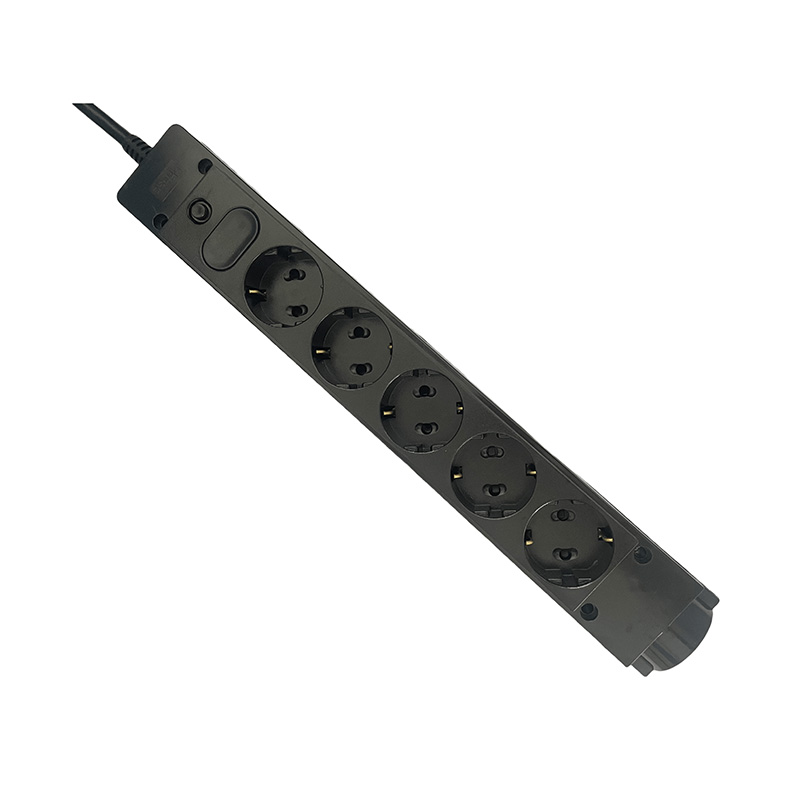
Common Mistakes That Make Power Strips Unsafe
Even a well-built, certified power strip becomes a hazard under the wrong conditions. Daisy-chaining — plugging one power strip into another, or into an extension cord — is one of the most cited causes of overload failures, since it stacks load onto a circuit never designed to carry it.
- Plugging high-draw appliances (space heaters, microwaves, refrigerators) into a strip rated for light electronics
- Running cords under carpets or furniture, where heat has nowhere to go
- Using a strip in a damp area, or letting it come into contact with water
- Leaving a strip in place as permanent wiring instead of a temporary solution
Industry inspection guidance is consistent on this point: a strip that feels warm to the touch or shows melted, discolored, or frayed wiring should be unplugged immediately rather than monitored. Home inspection industry guidance on power strip hazards flags these exact conditions as the ones most likely to precede a fire.
Choosing a Power Strip Built for Safety
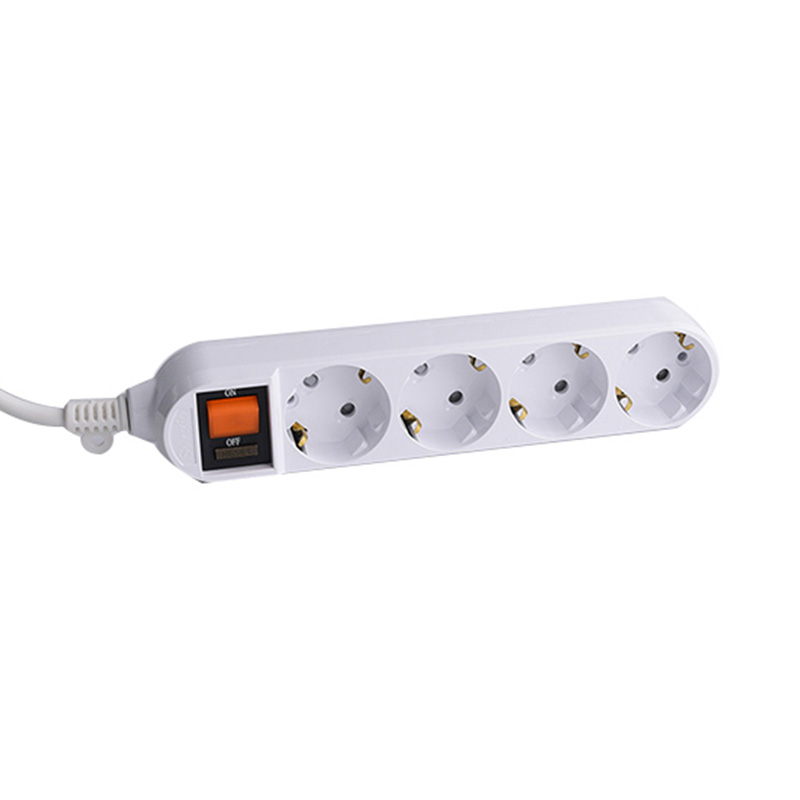
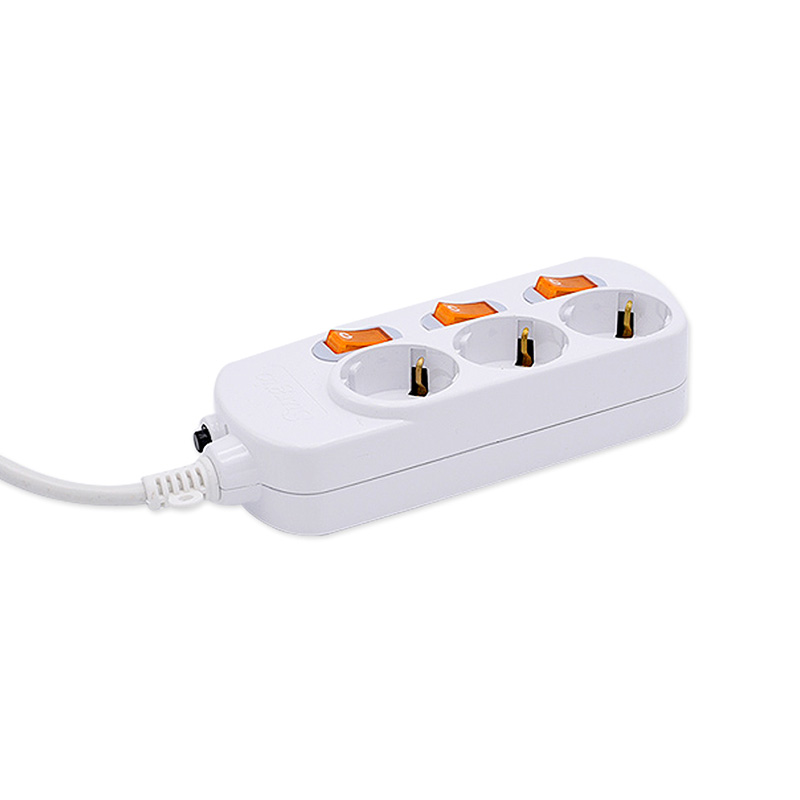
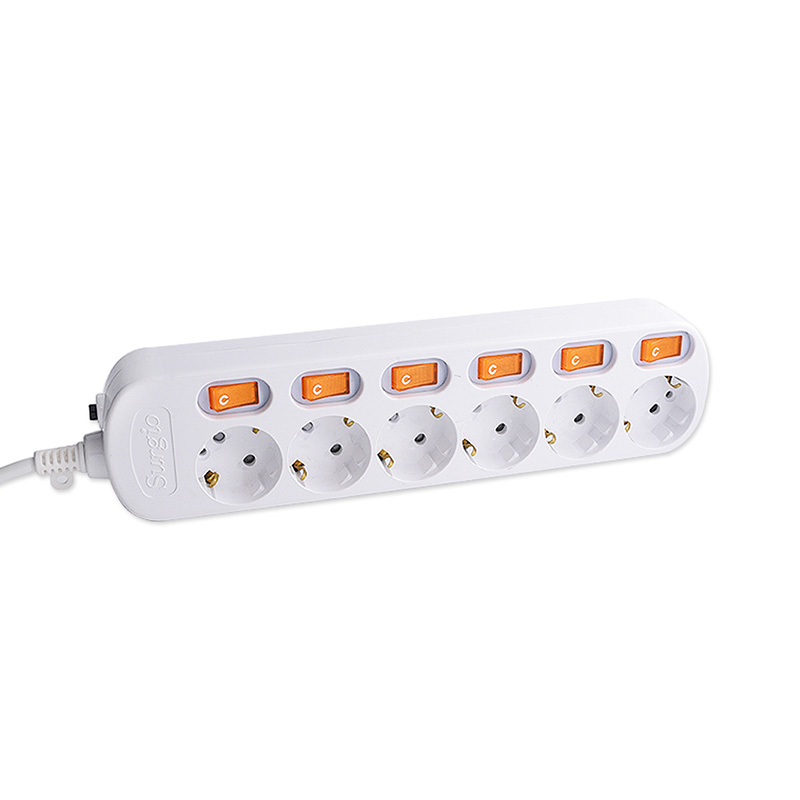
Once you know what to look for, choosing gets simpler. For most home or office setups, a power strip with independent switches per outlet lets you cut power to individual devices without unplugging the whole strip, which reduces the temptation to leave everything running unattended.
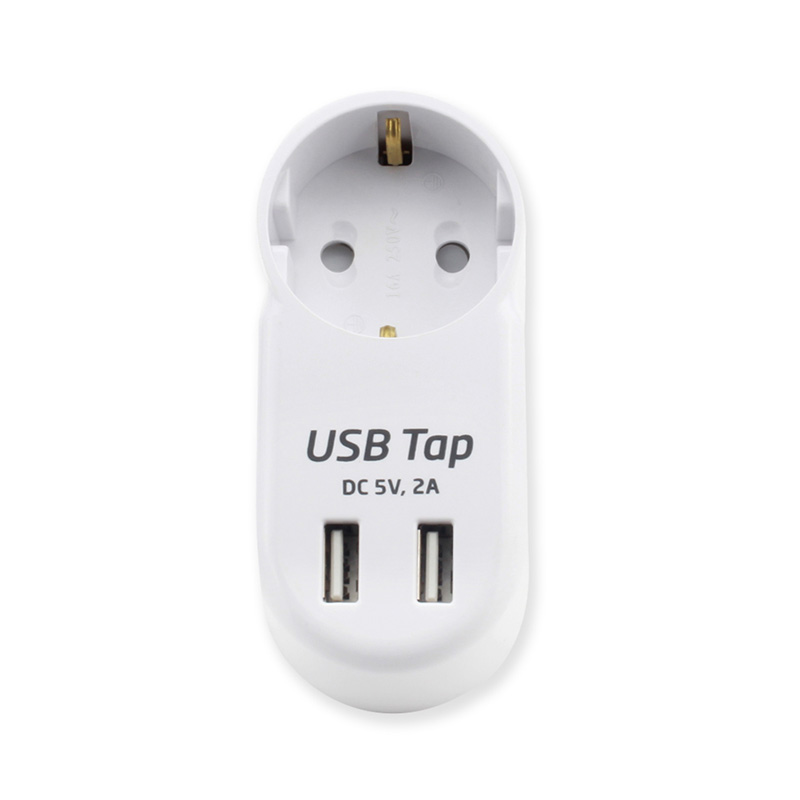
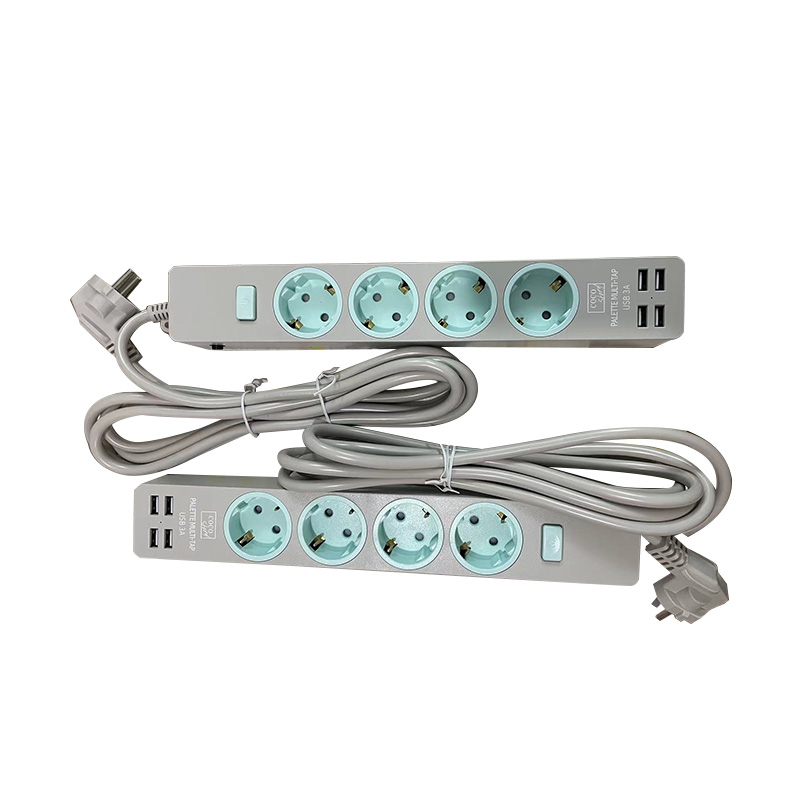
If you're powering laptops, phones, or other USB-charged devices, a power strip with built-in USB ports cuts down on the number of separate chargers competing for outlet space. And for setups where overload risk is a real concern — shared desks, workshops, entertainment centers — a power strip with an overload protection switch adds a layer of safety that a basic unit simply doesn't have.
PRODUCTS
ABOUT US
CONTACT INFO.
- +86-18758062352
- +86-0571-64701616
- [email protected]
- No. 7, Xinqu Road, Xin’Anjiang Street, Jiande, Hangzhou, Zhejiang, China

Copyright © 2023 Hangzhou Newmany Electronics Co., Ltd. All Rights Reserved. Power Strip Manufacturer in China| Login

 TOP
TOP