
 ENG
ENG
 English
 русский
 한국어
한국어 Deutsch
Submit feedback
News

What's Inside a Power Strip? A Look at the Core Components
 2026.07.13
 Industry News
Content
What's Actually Inside the Casing
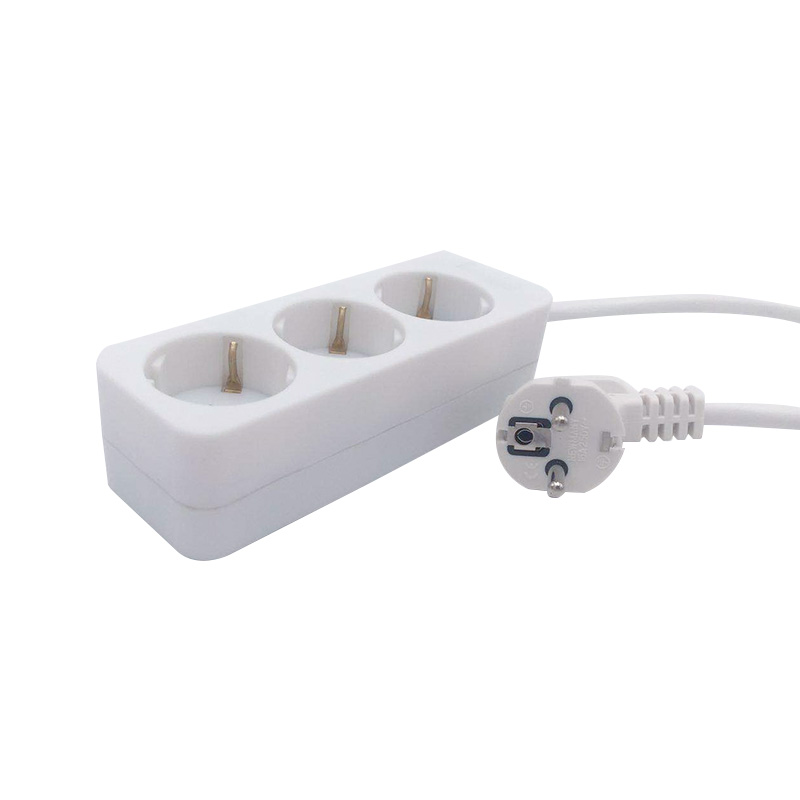
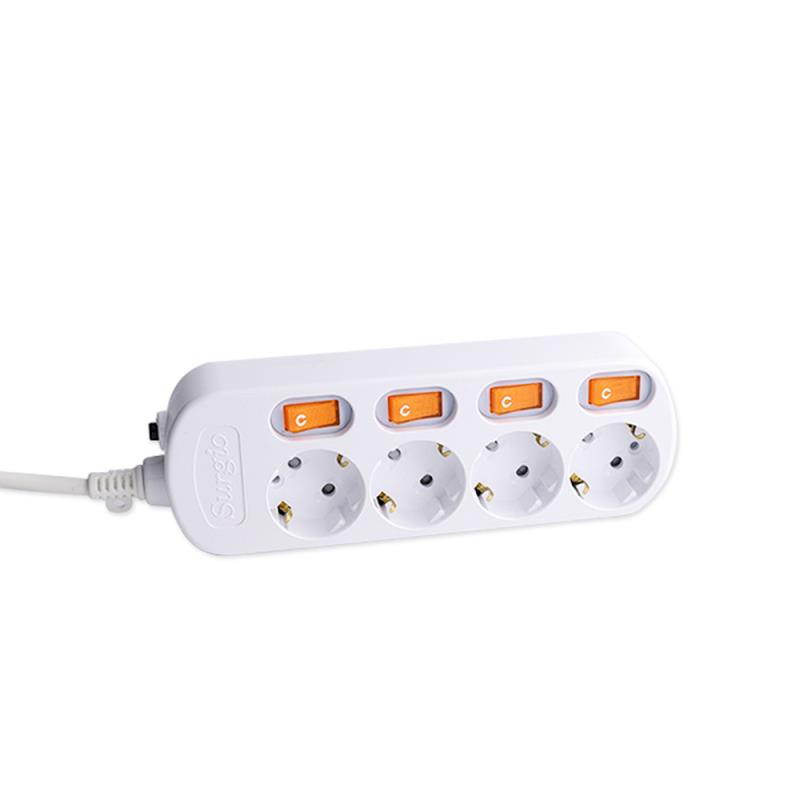
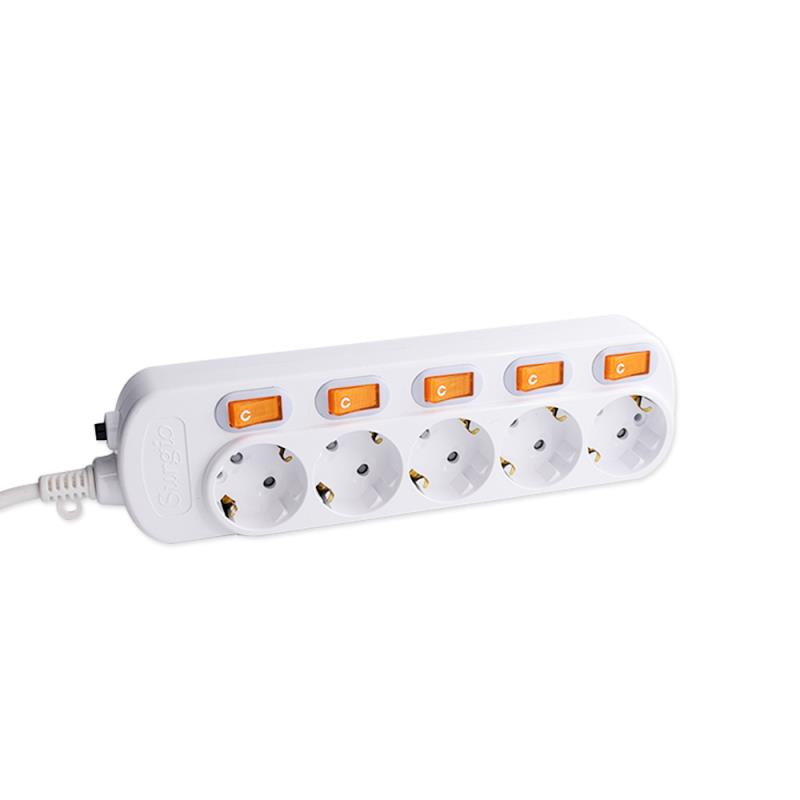
Crack open a power strip and the first thing you'll notice is how little space is actually empty. Behind the row of outlets sits a compact network of metal conductors, usually copper, arranged to carry current from the incoming cord to every socket at once.
Each outlet is wired in parallel rather than in series, which is why plugging in one device doesn't reduce the voltage available to the next one. The power cord feeds into this internal wiring, and everything is wrapped in plastic insulation designed to keep the live current away from anything — or anyone — that shouldn't touch it. That insulation does double duty: it prevents shock, and it also helps contain the heat that naturally builds up as current flows through the conductors.
The Switch and Circuit Breaker
Most power strips include a master switch that cuts power to every outlet at once — useful for killing phantom power draw on a whole desk setup with a single click. But the more important component sitting near that switch is usually the circuit breaker.
The breaker's job is to watch how much current is flowing through the strip and trip — cutting power instantly — the moment that current exceeds a safe threshold. This is what stands between an overloaded strip and a genuinely dangerous overheating situation. Strips built for higher-demand setups often pair this with an power strips with a built-in overload protection switch, giving the user a manual reset point once the overload condition clears rather than requiring the whole unit to be replaced.
Surge Protection: The MOV Explained
Not every power strip includes surge protection, but the ones that do rely almost entirely on a single component: the metal oxide varistor, or MOV. Under normal voltage, an MOV behaves like an insulator and simply sits inline doing nothing. The moment a voltage spike hits — from a lightning strike nearby, a grid switching event, or an appliance's motor kicking on — the MOV's resistance collapses almost instantly, and it starts conducting the excess voltage away from the outlets and into the ground wire instead.
This entire reaction happens in a fraction of a second, well before the spike can reach whatever's plugged in. It's also why a grounded outlet matters so much for strips advertised as surge protectors — without a functioning ground path, the MOV has nowhere to divert that excess voltage, and the protection circuit is effectively useless no matter how well-built the rest of the strip is.
What Happens When a Fault Is Detected
A well-designed power strip doesn't just react to one type of problem — it's built to respond differently depending on what's actually going wrong. An overload trips the circuit breaker. A voltage spike gets absorbed by the MOV. But some strips go further, layering in additional protection that reacts to more specific fault conditions, such as excessive heat building up around the surge components themselves.
There's a more detailed breakdown of how a power strip protects itself and the connected load once a fault is detected that walks through the sequence these protective measures follow, since it isn't always a single instantaneous cutoff — some designs stage their response depending on fault severity. Higher-end models also address whether a power strip can self-diagnose and report fault information, which matters for anyone trying to figure out why a strip cut power without an obvious external cause.
Why the Outer Casing Material Matters
It's easy to think of the casing as just packaging, but the plastic housing a manufacturer chooses directly affects how well all of the internal components above actually perform over time. Polycarbonate (PC) casings are generally chosen for their heat resistance and inherent flame-retardant properties — qualities that matter a great deal if an internal fault ever does generate excess heat before the breaker trips. There's a deeper look at the relationship between heat resistance, fire resistance, and flame retardancy in PC-material power strips for anyone comparing casing options for higher-load environments.
Polypropylene (PP) casings take a different approach, trading some of PC's heat tolerance for strong chemical resistance and lower manufacturing cost — a reasonable trade-off for everyday household use where extreme heat exposure is less of a concern. How polypropylene's chemical resistance affects long-term durability covers why PP holds up well against household cleaners and general wear, even if it isn't the first choice for industrial settings.
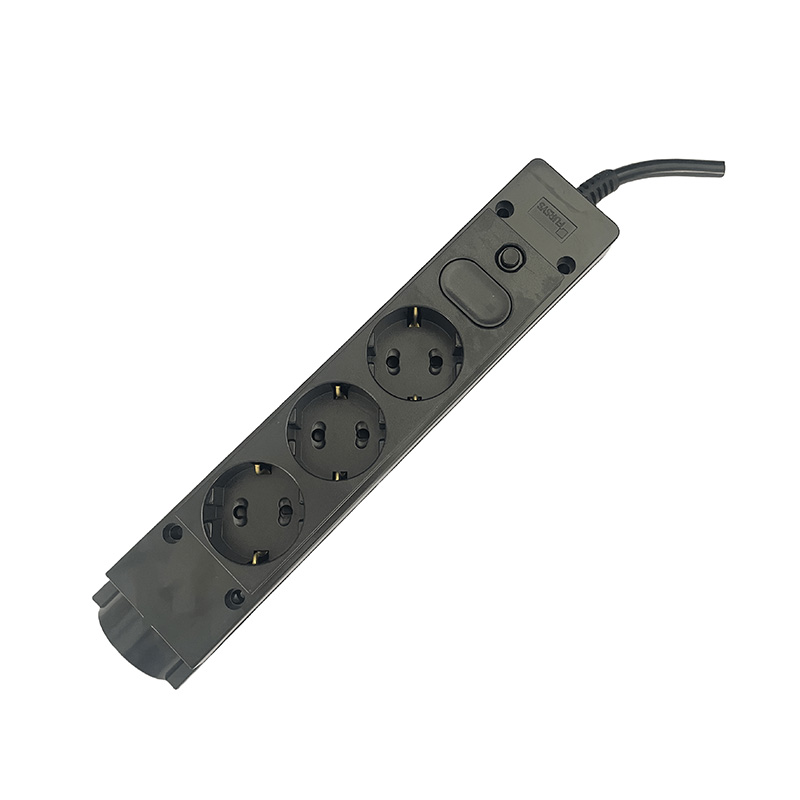
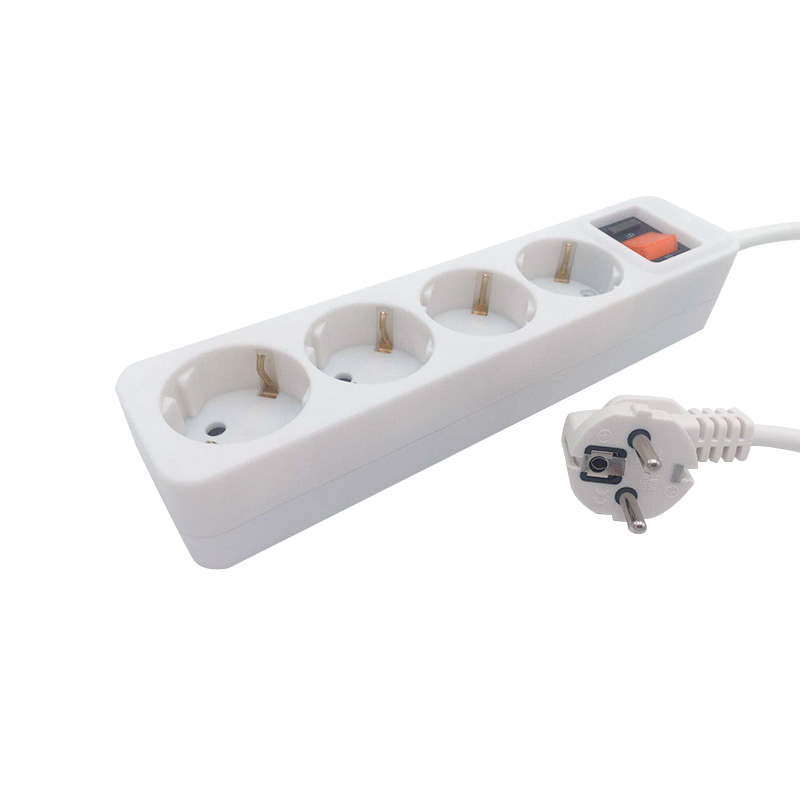
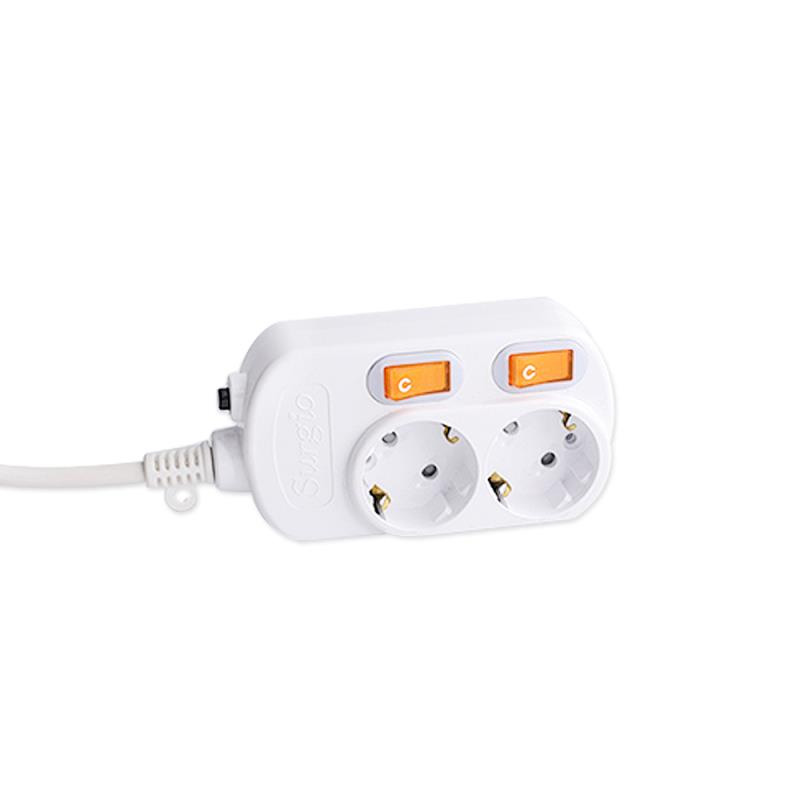
Anyone weighing these trade-offs directly can compare PP-material power strips built for everyday use against PC-cased alternatives, or browse the full power strip product range to see how outlet count, switch type, and casing material combine across different models. As one technical overview of power strip design notes, the combination of circuit breakers, surge components, and casing material is what separates a basic outlet splitter from genuine protective equipment.

PRODUCTS
ABOUT US
CONTACT INFO.
- +86-18758062352
- +86-0571-64701616
- [email protected]
- No. 7, Xinqu Road, Xin’Anjiang Street, Jiande, Hangzhou, Zhejiang, China

Copyright © 2023 Hangzhou Newmany Electronics Co., Ltd. All Rights Reserved. Power Strip Manufacturer in China| Login

 TOP
TOP