
 ENG
ENG
 English
 русский
 한국어
한국어 Deutsch
Submit feedback
News

Power Strip vs Surge Protector: Key Differences Explained
 2026.03.17
 Industry News
Content
- 1 The Core Difference: One Extends Power, One Protects It
- 2 What a Power Strip Actually Does
- 3 How a Surge Protector Works
- 4 Power Strip vs Surge Protector: Side-by-Side Comparison
- 5 How to Tell Which One You Have Right Now
- 6 Which One Do You Actually Need?
- 7 When to Replace Your Surge Protector
- 8 A Note on Whole-House Surge Protectors
The Core Difference: One Extends Power, One Protects It
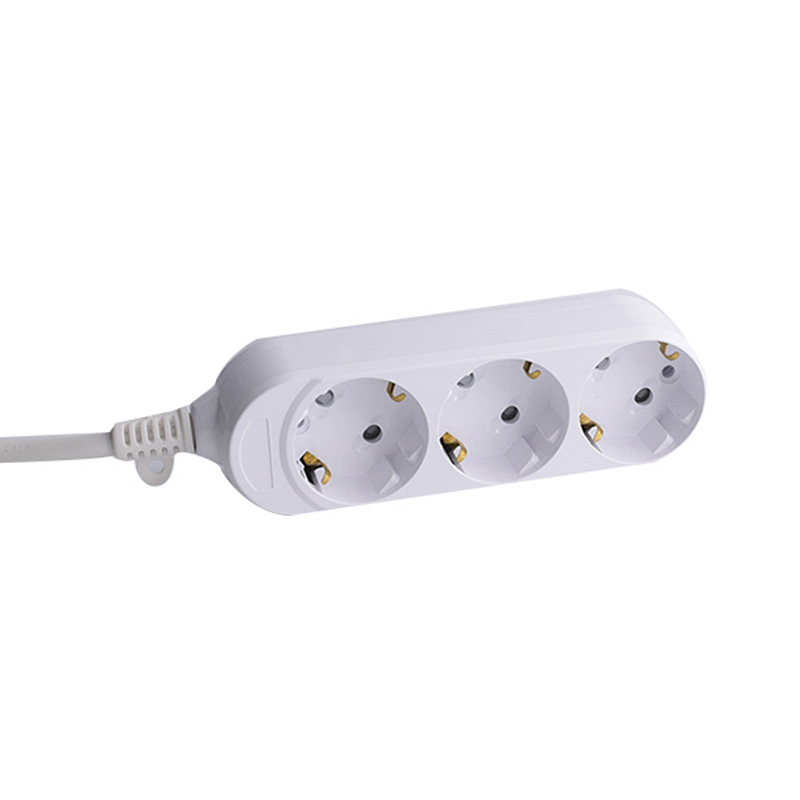
A power strip and a surge protector look nearly identical—both are rectangular bars with multiple outlets and a power cord. The fundamental difference is that a power strip simply adds more outlets, while a surge protector adds outlets and actively shields connected devices from voltage spikes. Plug a laptop into a basic power strip during a lightning storm, and it has no more protection than if it were plugged directly into the wall. Plug it into a quality surge protector, and the internal components absorb or divert excess voltage before it reaches your device.
This distinction matters because voltage surges—even small, everyday ones caused by appliances cycling on and off—degrade sensitive electronics over time. According to the Insurance Information Institute, power surges cause billions of dollars in electronics damage annually in the United States alone. Knowing which device you have, and which one you need, is a straightforward decision once you understand how each works.
What a Power Strip Actually Does
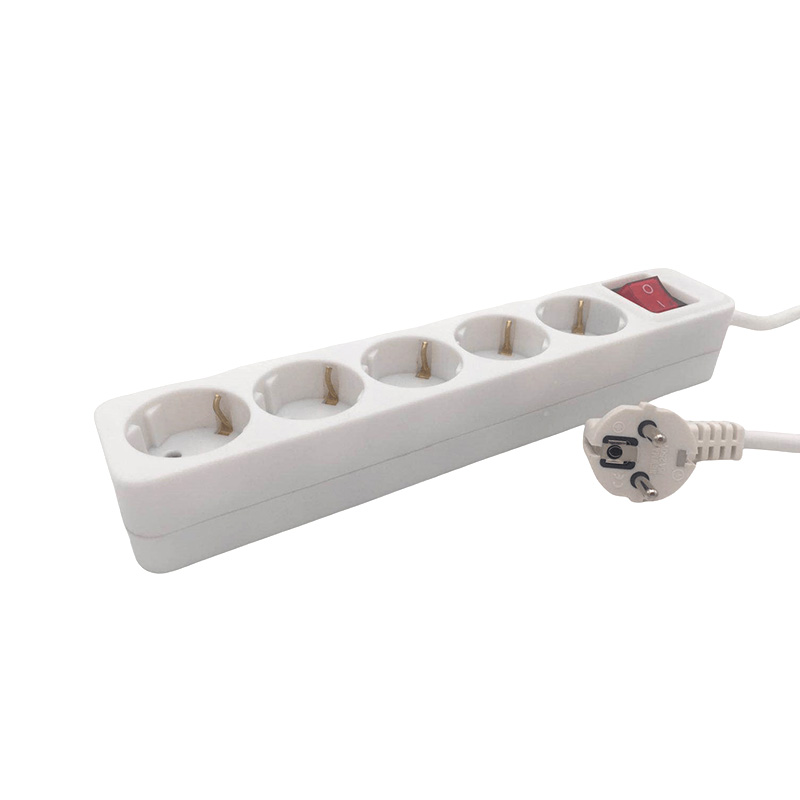
A power strip is essentially a passive extension of your wall outlet. It contains a length of wire, a series of outlet sockets, and usually an on/off switch. Some models include a basic circuit breaker that trips when the total current draw exceeds a set limit—typically 15 amps—but this only protects against overloads, not surges.
Power strips contain no components designed to filter, absorb, or redirect voltage spikes. What comes from the wall goes directly to your devices. This makes them perfectly suitable for low-risk, low-value equipment—floor lamps, fans, phone chargers, or any device where a surge would cause little financial or data loss. Using a power strip for a television, desktop computer, or home theater system is a gamble that many people take without realizing it.
How a Surge Protector Works
A surge protector contains one or more metal oxide varistors (MOVs)—the core component that makes surge protection possible. MOVs are semiconductors that remain inactive during normal voltage conditions (120V in North America, 230V in Europe) but activate the instant voltage rises above a threshold, diverting excess energy into the ground wire instead of letting it flow to connected devices.
Some higher-end surge protectors also use gas discharge tubes or transient voltage suppression (TVS) diodes for additional layers of protection. Each time an MOV absorbs a surge, it degrades slightly. After absorbing enough cumulative energy, the MOV fails—and so does the surge protection, even though the unit's outlets continue to work normally. This is why surge protectors have a finite lifespan and why a unit that has survived a major power event should be replaced, even if it appears functional.
Understanding Joule Ratings
The joule rating on a surge protector represents the total amount of energy the device can absorb before its protection fails. Higher joule ratings indicate longer-lasting protection. As a practical benchmark:
- Under 1,000 joules: Entry-level; suitable for basic electronics like lamps or small appliances.
- 1,000–2,000 joules: Mid-range; appropriate for televisions, gaming consoles, and desktop computers.
- 2,000+ joules: High-end; recommended for home theater systems, network equipment, and professional workstations.
Clamping Voltage: How Quickly It Reacts
Clamping voltage is the voltage level at which the surge protector activates and begins diverting energy. A lower clamping voltage means the protector reacts sooner and more aggressively, offering better protection. Look for a clamping voltage of 400V or lower for sensitive electronics. Units rated at 330V clamping voltage offer a meaningfully tighter safety margin than those rated at 500V or higher.
Power Strip vs Surge Protector: Side-by-Side Comparison
| Feature | Power Strip | Surge Protector |
|---|---|---|
| Adds extra outlets | Yes | Yes |
| Surge/spike protection | No | Yes |
| Overload protection | Sometimes (circuit breaker) | Yes |
| Contains MOV components | No | Yes |
| Joule rating listed | No | Yes |
| UL 1449 certification | No | Yes (required) |
| Has a lifespan limit | No (passive device) | Yes (MOV degrades) |
| Typical cost | $5–$20 | $20–$100+ |
| Best for | Low-value, non-sensitive devices | Electronics, computers, AV equipment |
How to Tell Which One You Have Right Now
Because the two devices look so similar, many people are unsure what they already own. Here are reliable ways to identify what you have:
- Check for a joule rating label. Any device labeled with a joule rating (e.g., "1,080 joules") is a surge protector. Power strips never carry this rating.
- Look for UL 1449 certification. This is the United States standard specifically for surge protective devices. If your device carries this mark, it is a certified surge protector. UL 498 is the standard for basic power strips.
- Check the packaging or product name. Manufacturers are required to be accurate. If the box says "power strip" without surge protection language, assume it offers none.
- Look for an indicator light labeled "Protected." Many surge protectors include a status light that goes out when the MOV has failed, signaling that the unit no longer provides surge protection even though outlets still work.
Which One Do You Actually Need?
The right choice comes down to what you are plugging in and what it would cost to replace or repair those devices.
Use a Power Strip When:
- You need more outlets for lamps, fans, humidifiers, or other non-sensitive appliances.
- The connected devices contain no circuit boards, hard drives, or digital components.
- You are in a location with very stable power supply and low surge risk.
Use a Surge Protector When:
- You are powering a desktop computer, laptop, television, gaming console, or home theater system.
- You have a network router, NAS drive, or any device storing important data.
- You live in an area prone to thunderstorms, frequent power outages, or unstable utility power.
- The combined replacement cost of connected devices significantly exceeds the cost of a good surge protector.
For a home office setup with a computer, monitor, and external hard drive worth $2,000 combined, a $40–$60 surge protector rated at 2,000+ joules is a straightforward investment. The math is simple: the cost of protection is a fraction of the cost of replacement, and it takes only one significant power event to cause total loss.
When to Replace Your Surge Protector
Unlike a power strip, a surge protector has a functional lifespan tied to how much cumulative surge energy its MOVs have absorbed. Many people unknowingly continue using surge protectors that stopped offering protection years ago.
- Replace immediately after a significant surge event—such as a nearby lightning strike or major power outage—even if the unit appears to work normally. The MOVs may have been fully exhausted.
- Replace every 2–3 years as a general rule in environments with frequent small surges (areas with older wiring, industrial neighbors, or regular storms).
- If the "Protected" indicator light has gone out on your surge protector, replace it immediately—this light specifically signals MOV failure.
- Some premium surge protectors include a connected equipment warranty—a manufacturer guarantee to cover damage to connected devices if their unit fails. These warranties (often $25,000–$300,000 in coverage) are a reliable indicator of product quality and confidence.
A Note on Whole-House Surge Protectors
For the highest level of protection, a whole-house surge protector—installed at the electrical panel by a licensed electrician—provides a first line of defense against large external surges, such as those caused by lightning strikes on utility lines. These devices typically handle surges of 20,000–40,000 amps, far exceeding what a point-of-use surge protector strip can manage.
However, whole-house protection does not eliminate the need for point-of-use surge protectors. Internal surges—generated by large appliances like refrigerators, air conditioners, and washing machines cycling on—account for roughly 80% of all surge events according to the National Electrical Manufacturers Association. A layered approach combining a whole-house device with quality point-of-use surge protectors at each sensitive device location provides the most comprehensive protection available.
PRODUCTS
ABOUT US
CONTACT INFO.
- +86-18758062352
- +86-0571-64701616
- [email protected]
- No. 7, Xinqu Road, Xin’Anjiang Street, Jiande, Hangzhou, Zhejiang, China

Copyright © 2023 Hangzhou Newmany Electronics Co., Ltd. All Rights Reserved. Power Strip Manufacturer in China| Login

 TOP
TOP