
 ENG
ENG
 English
 русский
 한국어
한국어 Deutsch
Submit feedback
News
 Home / News / Industry News / 1000BASE-LX/LH SFP Explained: Distance, Specs, Compatibility, and Buying Guide
 1000BASE-LX/LH SFP Explained: Distance, Specs, Compatibility, and Buying Guide
 2026.09.28
 Industry News
Connect two network switches across a campus or between buildings, and the component that makes it possible is very likely a 1000BASE-LX/LH SFP module. This compact fiber-optic transceiver delivers predictable 1 Gbps links over distances that copper cannot reach, and it remains the default choice for long-range Gigabit Ethernet because it is simple, standardized, and widely supported. In plain terms, a 1000BASE-LX/LH SFP is a hot-swappable module that sends 1 Gbps data over 1310 nm light on a duplex fiber pair, reaching up to 10 km on single-mode fiber and up to 20 km on long-haul-rated versions.
This article explains what the designation actually means, how these modules behave on different fiber types, what to check before buying them, and how to plan the power environment around them so the link stays up.
Content
What 1000BASE-LX/LH Means
The designation comes from IEEE 802.3z, the specification that brought Gigabit Ethernet to fiber in 1998. The "1000" is the megabit-per-second data rate, "BASE" means baseband signaling, and "LX" designates long-wavelength optics working at 1310 nm. The "LH" suffix, short for long haul, is a vendor extension rather than a separate IEEE clause; it pushes the reach from 10 km to 20 km over single-mode fiber. Most modules sold today carry both markings and deliver both ranges in a single unit.
The form factor is the small form-factor pluggable module, commonly called SFP. It is hot-swappable, runs from a 3.3 V supply, and presents a duplex LC optical interface. Because the optics live in the module rather than on the switch mainboard, the same switch port can handle a short multimode link or a long single-mode link simply by changing the module.
| Parameter | Typical Value |
|---|---|
| Reference standard | IEEE 802.3z 1000BASE-LX |
| Data rate | 1.25 Gbps line rate |
| Wavelength | 1310 nm |
| Connector type | Duplex LC |
| Single-mode reach | 10 km for LX; 20 km for LX/LH |
| Multimode reach | 550 m on 50/125 µm or 62.5/125 µm fiber |
| Typical transmit power | -9.5 dBm to -3 dBm |
| Typical receiver sensitivity | -20 dBm |
| Supply voltage | 3.3 V |
1000BASE-LX versus 1000BASE-LH
The two labels describe different reach guarantees even when they are printed on the same transceiver. IEEE 802.3z defines 1000BASE-LX with a maximum of 10 km over single-mode fiber. The LH extension, enforced by manufacturer testing rather than by the IEEE document, guarantees another 10 km. A module labeled LX/LH therefore covers 10 km and 20 km spans as well as shorter ones, which makes it a safe default for almost any single-mode Gigabit link.
Multimode behavior is identical under both labels. The LX specification permits 550 m on 50/125 µm and 62.5/125 µm multimode fiber, subject to the modal bandwidth of the installed cable. On legacy FDDI-grade 62.5/125 µm fiber, a mode-conditioning patch cord is required to reach the full 550 m; the cord launches the light slightly off-center into the multimode core to avoid differential mode delay.
- 10 km over single-mode fiber, guaranteed by the LX specification.
- 20 km over single-mode fiber, guaranteed on LX/LH-rated modules.
- 550 m over modern 50/125 µm multimode fiber, guaranteed by the LX specification.
- 550 m over legacy FDDI-grade 62.5/125 µm fiber, achieved with a mode-conditioning patch cord.
Compatibility and Purchasing Risks
An SFP module is a small purchase compared with the switch it plugs into, but a careless choice can take down a whole link. Three compatibility factors cause most field problems.
MSA Compliance and Vendor Validation
The SFP design follows a multi-source agreement (MSA) among the original module manufacturers. An MSA-compliant module fits any cage and draws the correct 3.3 V supply, but the management memory inside it can still cause trouble: some switch operating systems check the vendor code and refuse to enable the port if that code does not match their expected list. Before buying in volume, confirm that your switch model accepts the module you are considering, or choose modules that your switch vendor lists as validated.
Digital Diagnostics Monitoring
Most modern LX/LH modules support digital diagnostics monitoring, abbreviated DDM or DOM, which reports internal temperature, supply voltage, transmit power, and receive power in real time through the switch management interface. This telemetry lets you watch a link degrade as connectors accumulate dust or as a laser ages. If your monitoring platform depends on this data, check that the module supports DDM and that the switch exposes the values to your management software.
Temperature Rating
Commercial-grade modules are typically rated for 0 to 70 degrees Celsius, which suits a conditioned server room but not the unheated cabinets and outdoor enclosures where many LX/LH links live. Industrial-temperature modules extend the range to roughly -40 to 85 degrees Celsius and use more robust laser drivers and housings. If the module will see frost, direct sun, or enclosure heat, choose the industrial-rated version even if it costs a little more.
Planning the Power and Physical Environment
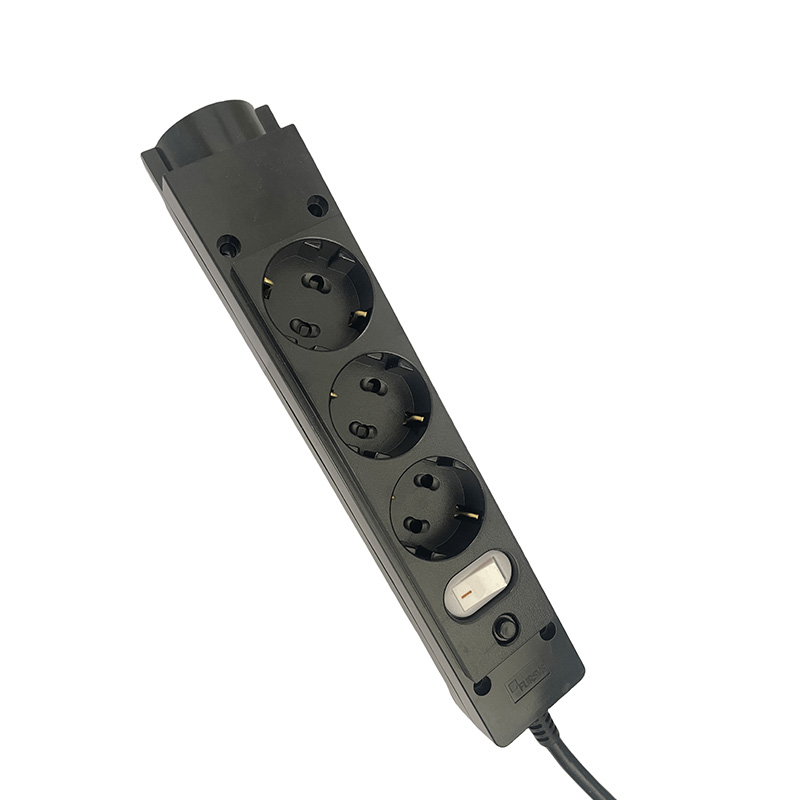
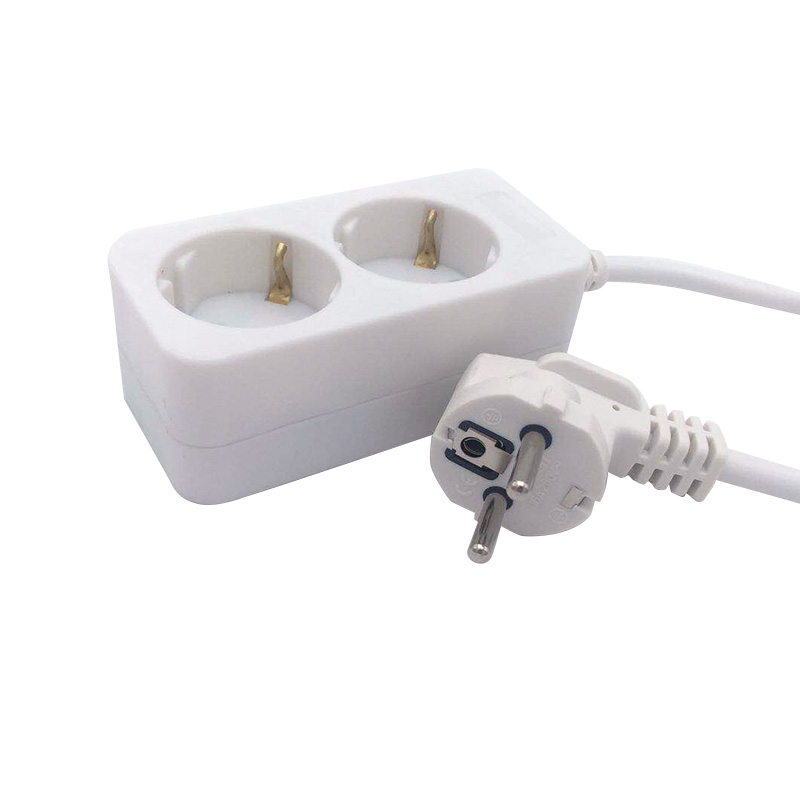
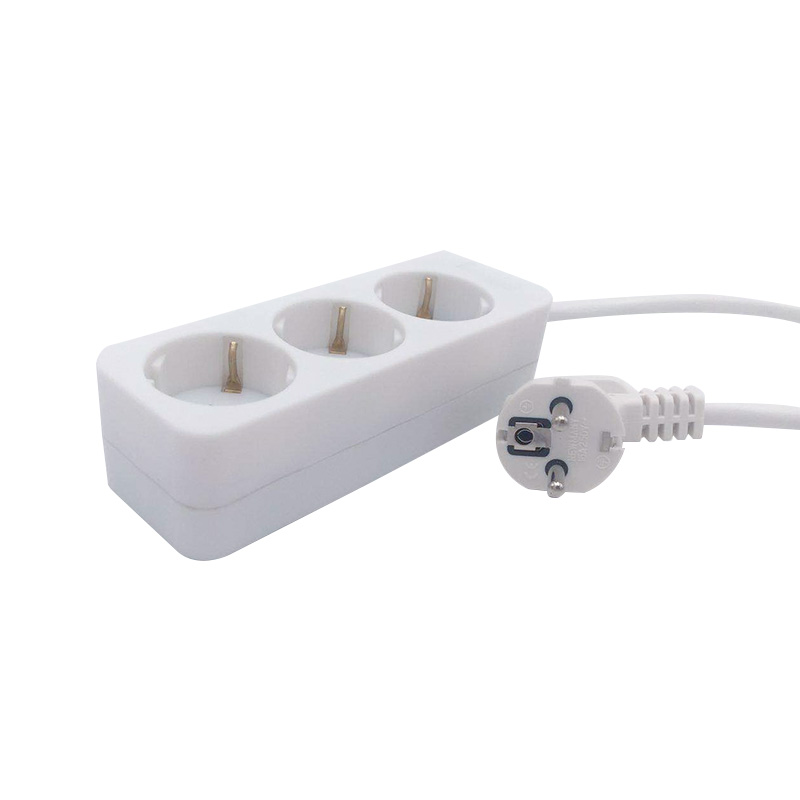
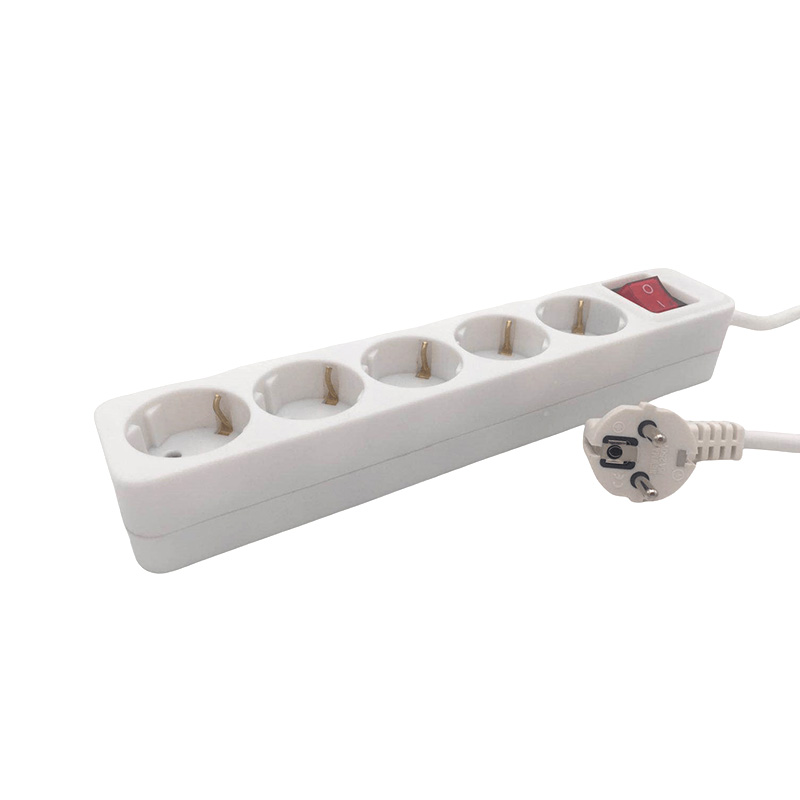
A long fiber link fails far more often because the equipment at one end loses power than because the laser fails. When switches, media converters, and routers sit in telecom closets, server rooms, roadside cabinets, or temporary site offices, the power chain deserves as much attention as the optical budget. Overload protection stops a failing device from dragging down the circuit, and a clear reset switch shortens recovery time. For a rack of network gear, a power strip with overload protection is a practical first line of defense.
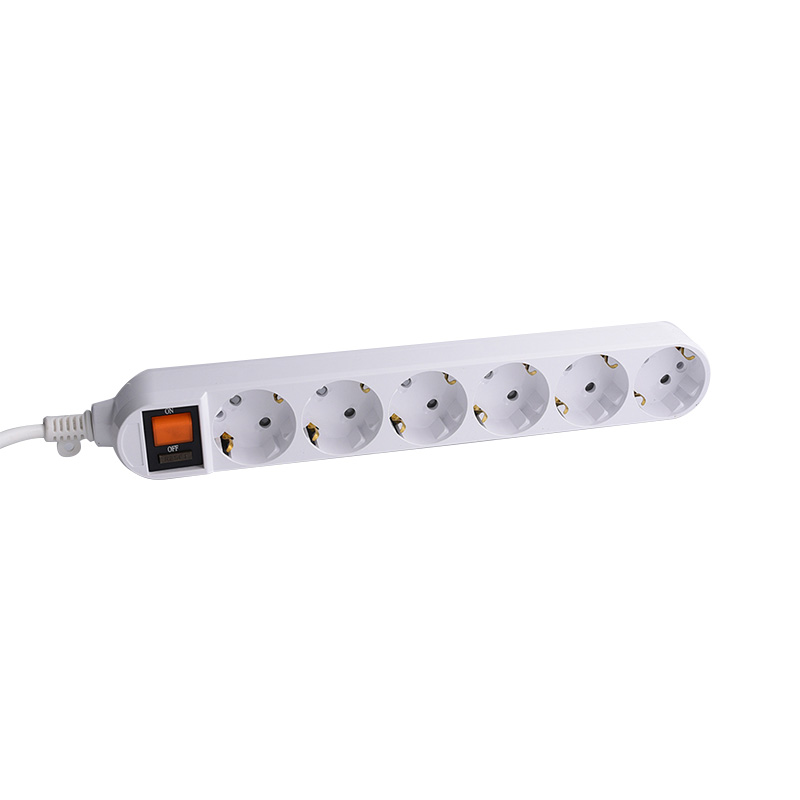 XWL-S14B6 6-Outlet EU Power Strip with Overload ProtectionThis six-outlet power strip with overload protection suits network gear in racks or temporary sites, offering a 16A rating and durable PC shell to keep switches and media converters safely powered.View Product →
Outdoor and temporary links add another layer. Site surveys, construction projects, and event networks often need a 1 Gbps fiber link to a location that has no permanent mains wiring. The fiber itself carries no power, but the media converter or small switch at the far end still needs a safe supply. A cable reel rated for indoor and outdoor use brings mains power to that equipment while protecting the cable from mechanical damage and keeping it coiled for fast recovery. Because the reel's cable length and capacity determine whether the far-end equipment receives adequate voltage, check how to determine the appropriate cable length and capacity for a cable reel before committing to a specific model.
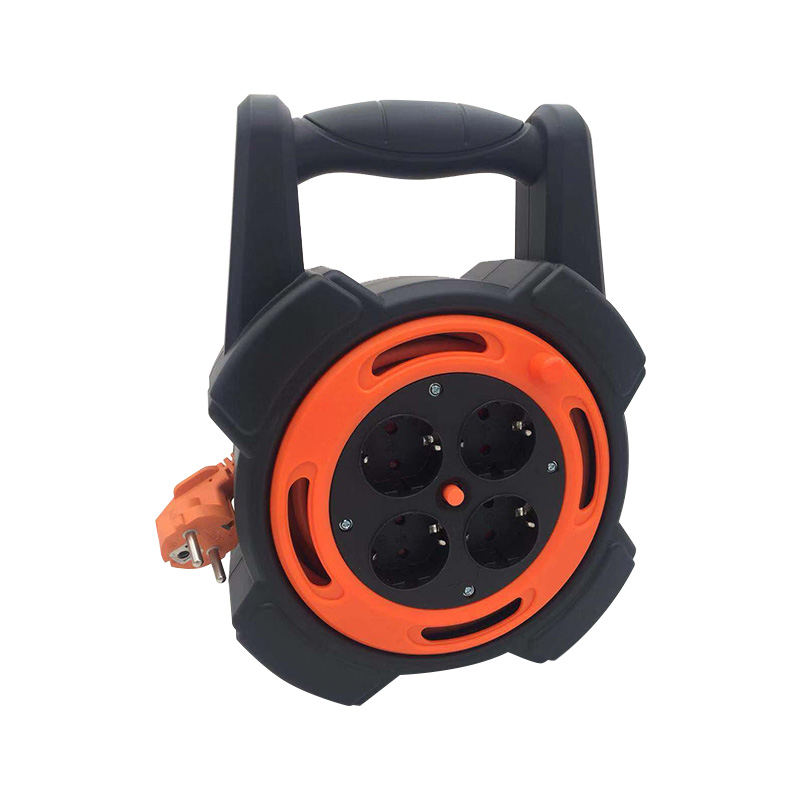 Indoor/Outdoor EU Cable Reel with 10m Cord and Overload SwitchFor remote fiber link equipment without permanent wiring, this 10-meter cable reel delivers safe mains power outdoors, with overload protection, a non-slip handle, and easy winding for fast setup.View Product →
Monitoring should extend beyond the optical signal. When a distant switch stops responding, loss of light only tells you that something failed; it does not say whether the cause is a broken fiber, a failed module, or a tripped breaker. Power distribution units with self-diagnostic functions can automatically detect and report fault information, a capability explored in our analysis of power supply strip self-diagnostic functions. That telemetry, combined with the transceiver's own DDM data, turns a blind fiber link into an observable system.
A Practical Buying Checklist
Work through this list when you compare 1000BASE-LX/LH modules, and the module you install is far more likely to work on the first attempt.
- Measure the real fiber distance and count every patch panel in the path. A span near 10 km calls for the LX/LH reach; a span under 550 m on multimode fiber needs nothing more than the same module with the correct fiber.
- Confirm the fiber type and connector at both ends. Single-mode links use 9/125 µm fiber; multimode links use 50/125 µm or 62.5/125 µm. Keep the LC end-faces clean, because a dirty connector is the most common cause of high insertion loss in new installations.
- Verify that the module is validated for your switch brand and model. This single step eliminates most compatibility problems in the field.
- Decide whether you need DDM/DOM telemetry. If your team relies on monitoring, do not buy modules that omit digital diagnostics just to save a small amount of money.
- Choose the temperature grade according to the enclosure, not the office. Unheated outdoor cabinets and industrial enclosures need the -40 to 85 degrees Celsius rating.
- Buy at least one spare module per critical link, and test the spare before storing it. The spare should carry the same firmware version as the installed units so a later swap does not introduce a new surprise.
Final Recommendations
1000BASE-LX/LH has stayed relevant for two decades because it solves the distance problem without exotic equipment. One module type covers 10 km and 20 km single-mode spans, works on multimode fiber up to 550 m with the right patch cord, and fits any standard SFP cage. The failures that do occur are rarely optical; they come from incompatible module codes, overlooked temperature ratings, and power problems at the remote end.
Treat the electrical supply as part of the link design. In small equipment rooms and remote cabinets where rack space is tight, a compact four-outlet power strip with overload protection is usually enough for a switch, a media converter, and a small appliance, and it keeps the installation tidy.
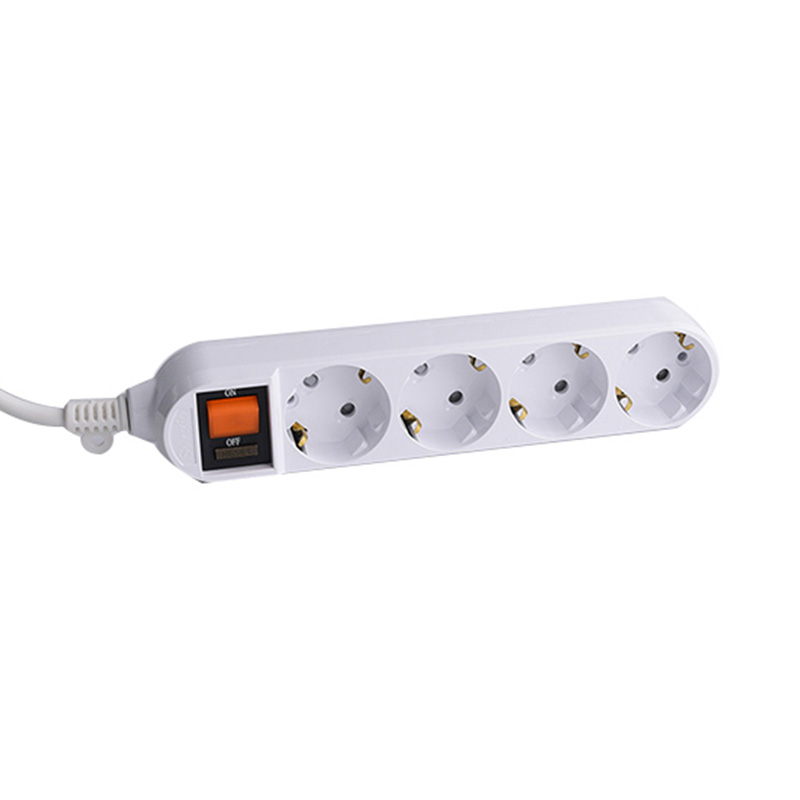 XWL-S14B4 4-Outlet EU Power Strip with Overload ProtectionA compact four-outlet strip with overload protection and a V0 flame-retardant PC shell, ideal for small equipment rooms where a switch, converter, and small appliance need tidy, safe power.View Product →
Keep the physical layer disciplined: label both fiber ends, record the optical power readings taken during commissioning, and store spare patch cords. A 1000BASE-LX/LH link is one of the most dependable components in a network when it is specified correctly, installed cleanly, and powered properly.
PRODUCTS
ABOUT US
CONTACT INFO.
- +86-18758062352
- +86-0571-64701616
- [email protected]
- No. 7, Xinqu Road, Xin’Anjiang Street, Jiande, Hangzhou, Zhejiang, China

Copyright © 2023 Hangzhou Newmany Electronics Co., Ltd. All Rights Reserved. Power Strip Manufacturer in China| Login

 TOP
TOP