
 ENG
ENG
 English
 русский
 한국어
한국어 Deutsch
Submit feedback
News
 Home / News / Industry News / What Makes Power Cords for Electrosurgical Pencils Essential in Modern Surgery?
 What Makes Power Cords for Electrosurgical Pencils Essential in Modern Surgery?
 2026.01.23
 Industry News
Content
- 1 The Critical Role of Power Cords in Electrosurgical Systems
- 2 Why Power Stability Matters in Electrosurgery
- 3 Design Features That Support Surgical Precision
- 4 Material Selection and Medical-Grade Standards
- 5 Safety Considerations in the Operating Room
- 6 Compatibility With Modern Electrosurgical Equipment
- 7 Comparing Medical-Grade and Non-Medical Power Cords
- 8 Maintenance, Longevity, and Cost Efficiency
- 9 Why Power Cords Are Essential in Modern Surgery
The Critical Role of Power Cords in Electrosurgical Systems
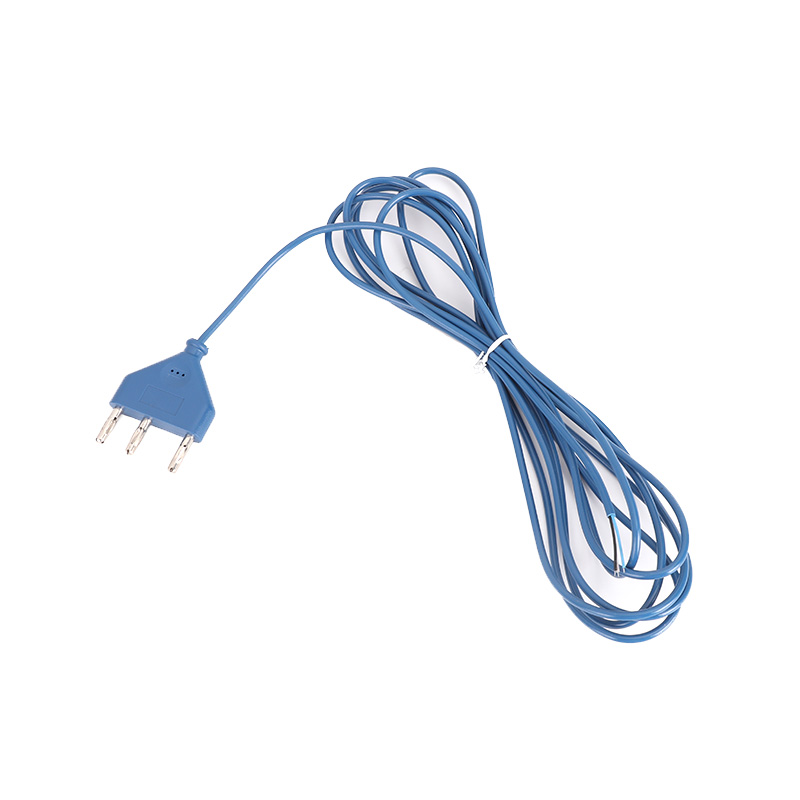
In modern operating rooms, electrosurgical pencils are indispensable tools for cutting tissue and controlling bleeding with precision. While much attention is placed on generators and handpieces, the power cord for electrosurgical pencils plays an equally critical role. It serves as the direct link between the energy source and the surgical instrument, ensuring stable power transmission during complex procedures.
Any interruption, signal loss, or electrical instability caused by a substandard power cord can compromise surgical accuracy and patient safety. As surgical techniques become more advanced and minimally invasive, the reliability of every component in the electrosurgical system becomes essential rather than optional.
Why Power Stability Matters in Electrosurgery
Electrosurgical procedures rely on controlled electrical energy to achieve precise tissue effects. The power cord must deliver consistent current without fluctuations that could alter cutting depth or coagulation efficiency. Even minor variations in power delivery can lead to unintended tissue damage or prolonged operating time.
High-quality power cords are engineered to minimize resistance and signal interference. This ensures that surgeons experience predictable performance, allowing them to focus fully on technique rather than equipment reliability during critical moments.
Key Power Transmission Requirements
- Stable electrical conductivity under continuous load
- Minimal signal loss over repeated use
- Resistance to electromagnetic interference
Design Features That Support Surgical Precision
Power cords for electrosurgical pencils are designed with multiple layers of insulation and shielding to protect both patients and medical staff. These layers prevent energy leakage and reduce the risk of accidental burns or electrical shock. Flexibility is another key design consideration, as surgeons need freedom of movement without cable resistance.
Advanced cord designs balance durability with softness, allowing repeated bending and repositioning without internal conductor damage. This combination of strength and flexibility directly supports precise hand control during delicate surgical tasks.
Material Selection and Medical-Grade Standards
The materials used in a power cord for electrosurgical pencils must meet strict medical-grade standards. Conductors are typically made from high-purity copper or copper alloys to ensure optimal conductivity. Insulation materials are selected for their heat resistance, biocompatibility, and durability under sterilization conditions.
Compliance with international medical standards ensures that power cords can withstand repeated cleaning, exposure to disinfectants, and extended operational cycles without degradation. This reliability is essential in high-volume surgical environments where equipment is used daily.
Common Medical-Grade Material Characteristics
- Heat-resistant insulation to handle high-frequency currents
- Biocompatible outer jackets for patient safety
- High-flex conductors for extended service life
Safety Considerations in the Operating Room
Operating rooms are highly controlled environments where electrical safety is paramount. A faulty or poorly designed power cord can introduce risks such as short circuits, unintended energy discharge, or device malfunction. These risks are amplified during electrosurgery, where high-frequency energy is involved.
Medical-grade power cords incorporate reinforced strain reliefs and secure connectors to prevent accidental disconnection. These features reduce the likelihood of sudden power loss during critical surgical steps, protecting both patient outcomes and surgical workflow.
Compatibility With Modern Electrosurgical Equipment
Modern surgical facilities often use a variety of electrosurgical generators and handpieces. Power cords must be compatible with these systems to ensure seamless integration. Standardized connectors and precise electrical specifications allow power cords to function reliably across different equipment configurations.
Compatibility also simplifies equipment management for hospitals, reducing the need for multiple specialized cables and minimizing the risk of mismatched components that could compromise performance.
Comparing Medical-Grade and Non-Medical Power Cords
| Criteria | Medical-Grade Power Cord | Non-Medical Power Cord |
| Electrical Stability | Highly consistent | Variable |
| Safety Certification | Meets medical standards | Often uncertified |
| Durability | Designed for repeated use | Limited lifespan |
Maintenance, Longevity, and Cost Efficiency
Although medical-grade power cords may have a higher initial cost, their longevity and reliability make them cost-effective over time. Durable construction reduces the frequency of replacement, while stable performance minimizes downtime and equipment-related delays.
Routine inspection and proper handling further extend service life. Hospitals that prioritize quality power cords often experience fewer technical issues, contributing to smoother surgical operations and better resource management.
Why Power Cords Are Essential in Modern Surgery
Power cords for electrosurgical pencils are not simple accessories; they are critical components that directly influence surgical safety and effectiveness. Their ability to deliver stable power, withstand demanding conditions, and integrate seamlessly with advanced equipment makes them indispensable in modern operating rooms.
As surgical technology continues to evolve, the importance of reliable power transmission will only increase. Investing in high-quality power cords ensures that electrosurgical systems perform as intended, supporting precision, safety, and confidence in every procedure.
PRODUCTS
ABOUT US
CONTACT INFO.
- +86-18758062352
- +86-0571-64701616
- [email protected]
- No. 7, Xinqu Road, Xin’Anjiang Street, Jiande, Hangzhou, Zhejiang, China

Copyright © 2023 Hangzhou Newmany Electronics Co., Ltd. All Rights Reserved. Power Strip Manufacturer in China| Login

 TOP
TOP