
 ENG
ENG
 English
 русский
 한국어
한국어 Deutsch
Submit feedback
News
 Home / News / Industry News / How Do Surgeons Ensure Optimal Performance from Electrosurgical Pencil Wires?
 How Do Surgeons Ensure Optimal Performance from Electrosurgical Pencil Wires?
 2026.01.16
 Industry News
Content
- 1 Introduction to Electrosurgical Pencil Wires
- 2 Materials and Design of Electrosurgical Pencil Wires
- 3 Connection Techniques and Secure Handling
- 4 Inspection and Maintenance Practices
- 5 Optimizing Performance During Surgery
- 6 Impact of Electrosurgical Settings on Wire Performance
- 7 Troubleshooting Common Issues
- 8 Comparison of Electrosurgical Pencil Wire Types
- 9 Conclusion: Ensuring Reliable Electrosurgical Wire Performance
Introduction to Electrosurgical Pencil Wires
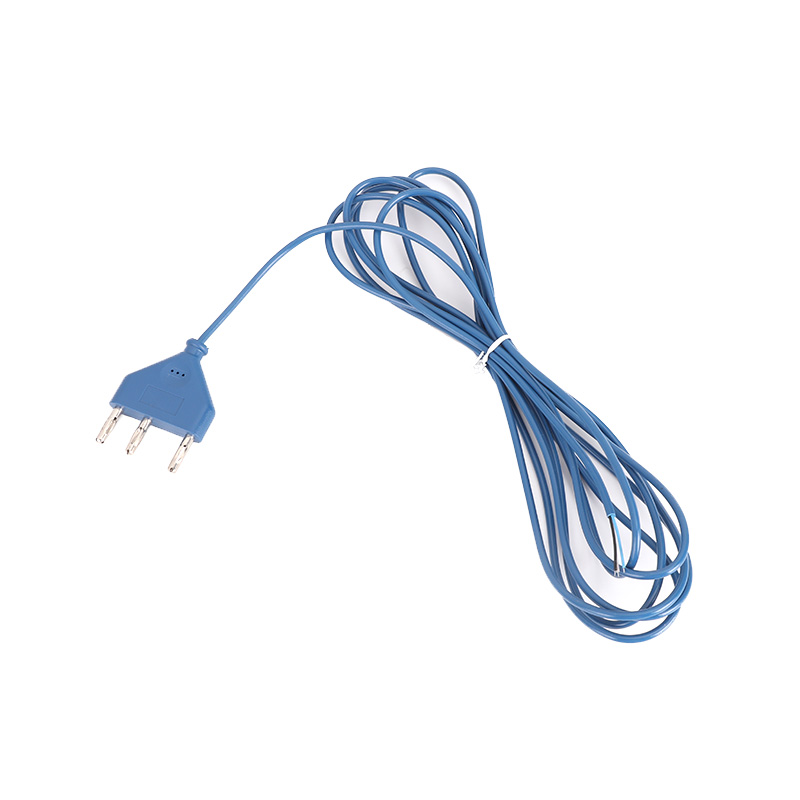
Electrosurgical pencil wires are essential components in modern surgical procedures, enabling precise cutting and coagulation with minimal blood loss. These wires connect the electrosurgical pencil to the generator, ensuring stable current transmission and reliable performance throughout surgical operations.
Optimal performance depends not only on the quality of the electrosurgical pencil but also on the integrity, handling, and maintenance of its wires. Surgeons and operating room teams must understand the critical factors affecting wire functionality to ensure safe, effective, and efficient surgical outcomes.
Materials and Design of Electrosurgical Pencil Wires
Electrosurgical pencil wires are typically constructed from high-conductivity copper or tinned copper cores, providing excellent electrical transmission. The wires are insulated with heat-resistant, flexible polymers to withstand high-frequency electrical currents without degradation or risk of short circuits.
Design features include strain relief at connector points, reinforced insulation near bends, and lightweight flexible structures that allow surgeons to maneuver the pencil without tension or kinking. These design considerations minimize resistance, prevent wire fatigue, and maintain consistent energy delivery during procedures.
Connection Techniques and Secure Handling
Proper connection between the electrosurgical pencil wire and the generator is critical for optimal performance. Surgeons must ensure that connectors are fully inserted, free of debris, and securely fastened to prevent interruptions in electrical flow.
During operations, wires should be positioned to avoid tension, kinking, or entanglement with other surgical instruments. Adjustable cable management systems or clips can help maintain proper wire routing, reducing mechanical stress and the risk of accidental disconnection.
Inspection and Maintenance Practices
Regular inspection of electrosurgical pencil wires is essential to maintain safety and efficiency. Key points to check include insulation integrity, connector wear, signs of overheating, or fraying along the wire length.
Routine maintenance involves cleaning connectors with manufacturer-approved disinfectants, ensuring no corrosion or residue impedes electrical contact. Proper storage in coils or dedicated holders prevents sharp bends, crushing, or abrasion during handling and transport.
Optimizing Performance During Surgery
During surgical procedures, maintaining optimal wire performance involves careful monitoring of current output, avoiding excessive bending near the pencil tip, and ensuring the wire does not interfere with sterile fields. Flexible wires allow surgeons to maneuver freely, minimizing hand fatigue while maintaining precision.
Surgeons often coordinate with surgical nurses to monitor wire position, remove potential entanglements, and maintain smooth transitions between pencil movements and generator settings. This teamwork helps prevent interruptions or inconsistent energy delivery that could compromise patient safety.
Impact of Electrosurgical Settings on Wire Performance
The choice of electrosurgical generator settings, including power level, waveform, and mode (cutting or coagulation), directly affects wire performance. Wires must be compatible with the frequency and energy output to prevent overheating or insulation breakdown.
Higher power settings or prolonged continuous use can cause temperature rise along the wire. Modern wire designs include heat-resistant polymers and flexible cores to accommodate these conditions, but proper awareness and controlled use remain essential for safety and efficiency.
Troubleshooting Common Issues
- Intermittent energy delivery: Check connector insertion and clean contacts.
- Wire overheating: Reduce power settings or replace damaged insulation.
- Mechanical damage: Inspect for kinks, bends, or fraying and replace wires as necessary.
- Generator incompatibility: Confirm wire compatibility with the electrosurgical unit’s frequency and power output.
- Poor mobility: Reorganize wire routing to prevent tension or entanglement during surgery.
Comparison of Electrosurgical Pencil Wire Types
| Wire Type | Material & Features | Application |
| Standard Copper Core | Tinned copper, flexible insulation, moderate heat resistance | Routine surgical procedures |
| High-Flex Wire | Enhanced flexibility, reinforced connectors, heat-resistant polymers | Complex or prolonged surgeries requiring frequent wire movement |
| Sterilizable Wire | Autoclave compatible insulation, corrosion resistant | Reusable surgical setups with high sterilization demands |
Conclusion: Ensuring Reliable Electrosurgical Wire Performance
Optimal performance of electrosurgical pencil wires relies on high-quality materials, proper handling, correct generator settings, and regular inspection. By adhering to manufacturer guidelines and implementing careful usage protocols, surgical teams can maintain reliable energy transmission and enhance procedure safety.
Ongoing innovations in wire design, such as enhanced flexibility, heat-resistant insulation, and sterilization compatibility, continue to improve performance and usability. Surgeons and operating room personnel who prioritize proper wire management and maintenance ensure consistent, safe, and efficient outcomes during electrosurgical procedures.



PRODUCTS
ABOUT US
CONTACT INFO.
- +86-18758062352
- +86-0571-64701616
- [email protected]
- No. 7, Xinqu Road, Xin’Anjiang Street, Jiande, Hangzhou, Zhejiang, China

Copyright © 2023 Hangzhou Newmany Electronics Co., Ltd. All Rights Reserved. Power Strip Manufacturer in China| Login

 TOP
TOP