
 ENG
ENG
 English
 русский
 한국어
한국어 Deutsch
Submit feedback
News

Surge Protectors vs Power Strips: Key Differences You Need to Know
 2026.04.15
 Industry News
Content
The Core Difference: Protection vs. Convenience
Walk into any hardware store and you'll see power strips and surge protectors sitting side by side, looking nearly identical. Yet these two devices serve very different purposes — and confusing them could cost you hundreds or even thousands of dollars in damaged electronics.
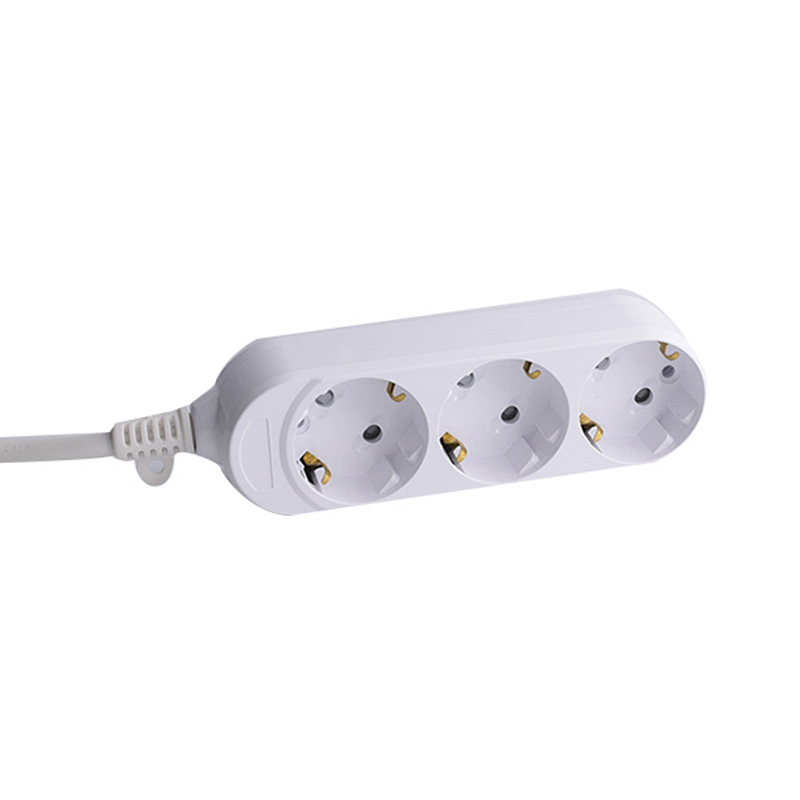
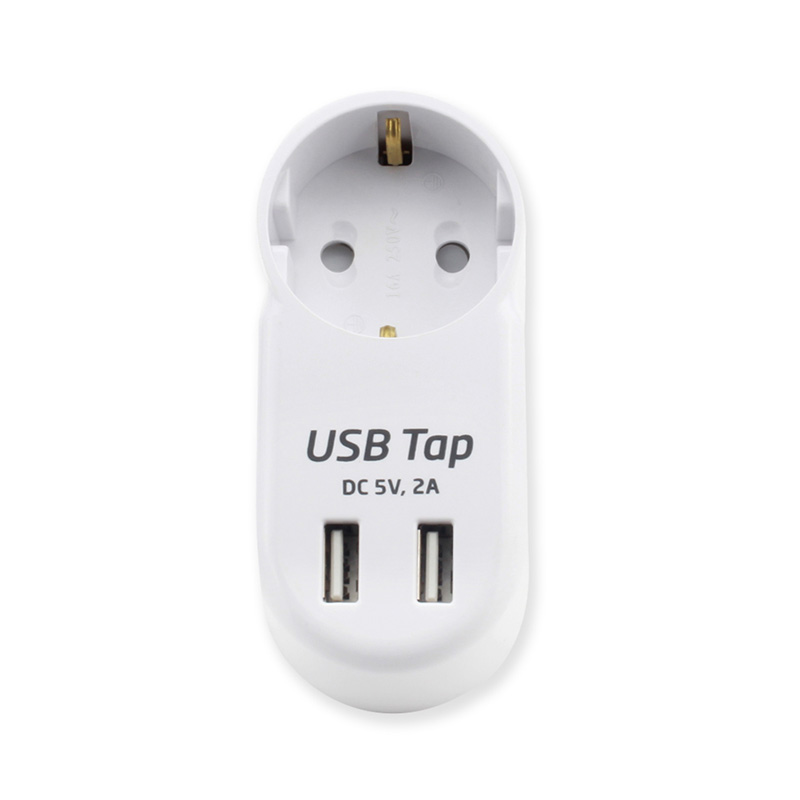
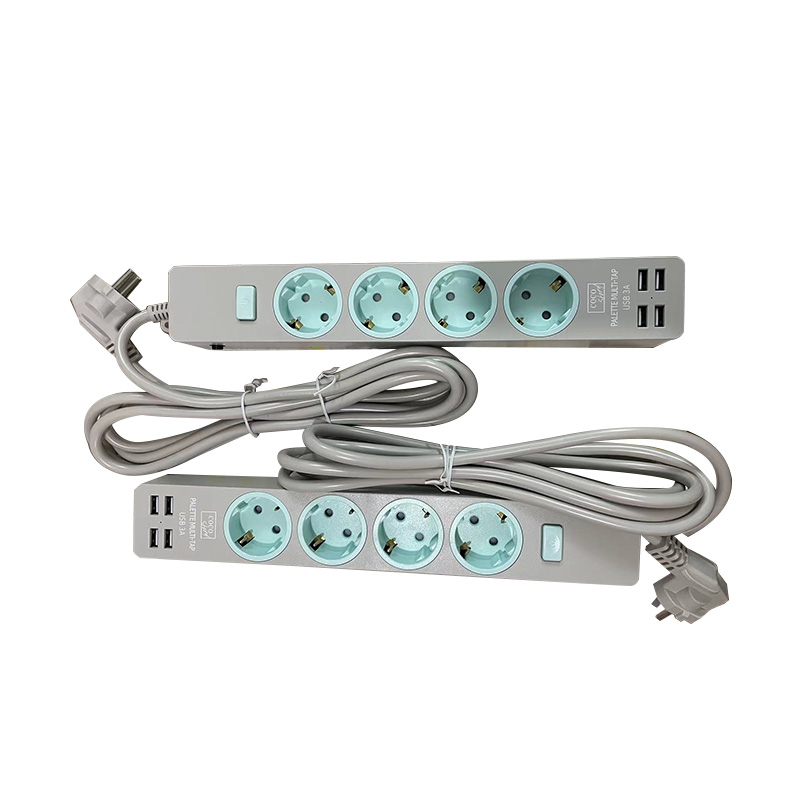
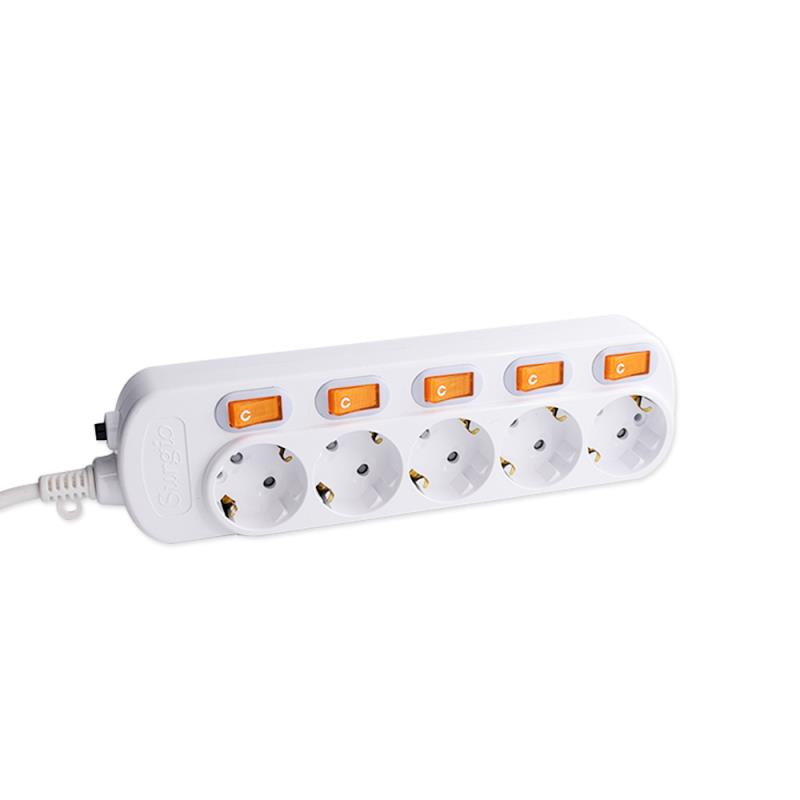
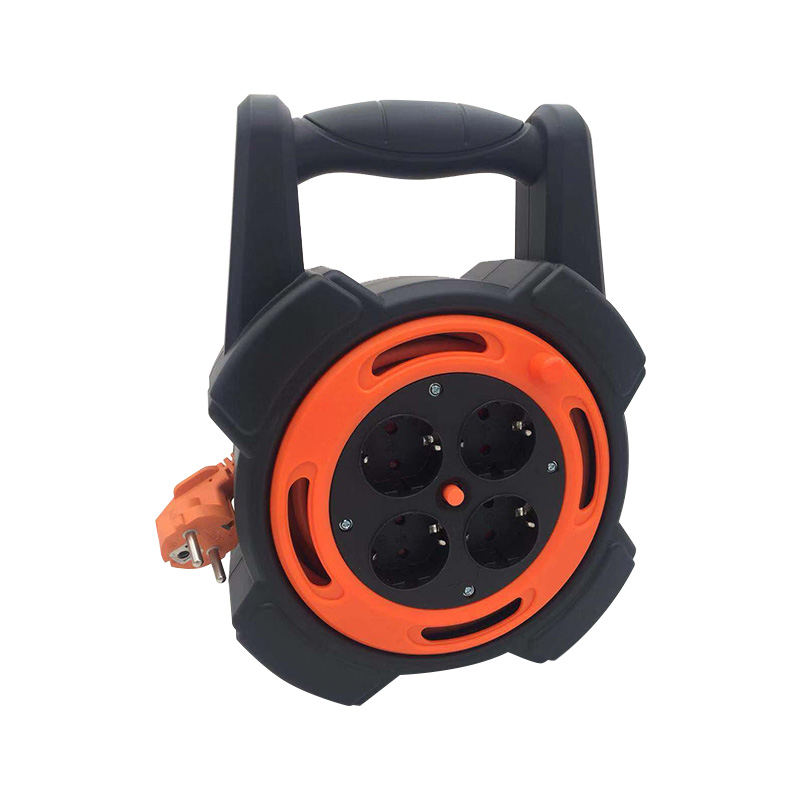
A power strip is essentially an extension cord with multiple outlets. It does one thing: turns one wall outlet into many, so you can plug in several devices at once. It adds zero electrical protection. A surge protector, on the other hand, does everything a power strip does — and adds a critical layer of defense against sudden voltage spikes that can destroy sensitive electronics in an instant.
The bottom line: every surge protector is a power strip, but not every power strip is a surge protector.
How Surge Protectors Actually Work
Inside every surge protector is a component called a Metal Oxide Varistor (MOV). When a voltage spike occurs — from a lightning strike, a power outage, or a large appliance cycling on — the MOV detects the excess voltage and instantly diverts it to the grounding wire before it can reach your connected devices.
A standard home circuit in the U.S. runs on 120 volts. During a power surge, that voltage can spike to well over 1,000 volts in a fraction of a second. Without a surge protector, that energy travels directly into your computer, TV, or gaming console — burning out chips, control boards, and microprocessors.
Importantly, MOVs degrade over time. Each surge they absorb reduces their capacity. Experts recommend replacing surge protectors every three to five years, or immediately after a major surge event. Many modern units include an indicator light that goes dark when the protection is no longer active — a useful feature worth looking for when shopping.
How to Tell Them Apart: What to Look For
Because power strips and surge protectors look so similar, knowing what to look for on the label or packaging is essential before you buy.
- Joule rating: This is the clearest indicator. A joule rating tells you how much energy the surge protector can absorb before it fails. If you see no joule rating, you're looking at a plain power strip. For protecting computers and home entertainment systems, look for a rating of at least 1,000 joules — ideally 2,000 joules or more.
- Clamping voltage: This is the voltage level that triggers the surge protector to act. Lower is better — a clamping voltage of around 330 volts offers superior protection compared to one rated at 400 volts or higher.
- UL 1449 certification: Look for this label to confirm the device meets recognized safety standards for surge protection.
- Indicator light: A light labeled "Protected" or "Grounded" confirms the surge protection circuitry is active. A basic power strip may only have a simple on/off power light, if any at all.
- Label language: Surge protectors use terms like "surge suppression" or "MOV." Power strips are typically labeled "multi-outlet strip" or simply "tap."
| Feature | Power Strip | Surge Protector |
|---|---|---|
| Multiple outlets | yes | yes |
| Surge protection | no | yes |
| Joule rating | no | yes |
| MOV component | no | yes |
| UL 1449 certified | Sometimes | yes |
| Typical price | Under $20 | $20–$100+ |
When to Use Each Device
Choosing between a power strip and a surge protector comes down to what you're plugging in and how much it would cost to replace.
Use a surge protector for: computers, monitors, televisions, gaming consoles, home theater systems, routers, and any other sensitive electronics. These devices contain microprocessors and circuit boards that are highly vulnerable to voltage spikes. A single surge can render them useless.
A basic power strip is sufficient for: lamps, alarm clocks, fans, and other simple, low-cost devices that do not contain sensitive electronics and are not affected by minor voltage fluctuations.
One critical warning: never plug space heaters, microwaves, refrigerators, or air conditioners into a power strip or surge protector. High-draw appliances like these should always connect directly to a wall outlet. Running them through a strip is one of the leading causes of electrical overloads and house fires.
Common Safety Mistakes to Avoid
Even when you have the right device, improper use can create serious hazards. Here are the most common mistakes homeowners make:
- Daisy chaining: Never plug one power strip or surge protector into another. This practice — known as daisy chaining — can overload the circuit and is a recognized fire hazard.
- Running cords under rugs or furniture: This traps heat and gradually damages the wiring inside, increasing the risk of a short circuit or fire.
- Using indoor strips outdoors or in wet areas: Moisture and electricity are a dangerous combination. Always check the rating before using any strip near a sink, garage, or exterior space.
- Ignoring wear and tear: A frayed cord, cracked housing, or discolored strip is a warning sign. Replace it immediately.
- Forgetting to replace surge protectors: Since MOVs degrade silently, a surge protector that looks fine may no longer be providing any protection. If the indicator light is off, replace it.
Is Whole-Home Surge Protection Worth It?
For homeowners in areas prone to storms, those with older wiring, or anyone with a significant investment in electronics and appliances, a whole-home surge protector is worth serious consideration.
Unlike plug-in models, whole-home surge protectors are hardwired directly into your electrical panel by a licensed electrician. They intercept voltage spikes before they enter any outlet in the house — protecting everything from your HVAC system and refrigerator to your computers and entertainment center.
The upfront cost is higher than a plug-in unit, but consider that replacing a single high-end refrigerator, computer, or HVAC control board can cost far more than the installation. Many electrical contractors recommend pairing whole-home protection with individual surge protectors at key outlets for layered defense.
If you find yourself constantly relying on power strips because your home lacks outlets, that's also a sign to call an electrician. Overloaded circuits and outdated outlet layouts are among the most common hidden hazards in older homes.
The Bottom Line
Power strips and surge protectors are not interchangeable — and treating them as though they are puts your electronics and your home at risk. If you're plugging in anything with a microprocessor, a screen, or a hard drive, a surge protector isn't optional; it's essential.
When shopping, look for a joule rating of at least 1,000 (preferably 2,000 or more), a clamping voltage at or below 330 volts, and UL 1449 certification. Replace your surge protectors every three to five years, and treat any unit whose protection indicator has gone dark as no longer functional.
A quality surge protector costs far less than replacing the devices it's meant to protect. That makes it one of the smartest, most underrated investments you can make for your home office, entertainment setup, or workspace.
PRODUCTS
ABOUT US
CONTACT INFO.
- +86-18758062352
- +86-0571-64701616
- [email protected]
- No. 7, Xinqu Road, Xin’Anjiang Street, Jiande, Hangzhou, Zhejiang, China

Copyright © 2023 Hangzhou Newmany Electronics Co., Ltd. All Rights Reserved. Power Strip Manufacturer in China| Login

 TOP
TOP