
 ENG
ENG
 English
 русский
 한국어
한국어 Deutsch
Submit feedback
News

Power Strip Guide: Surge Protection, Safety & Selection Tips
 2026.04.30
 Industry News
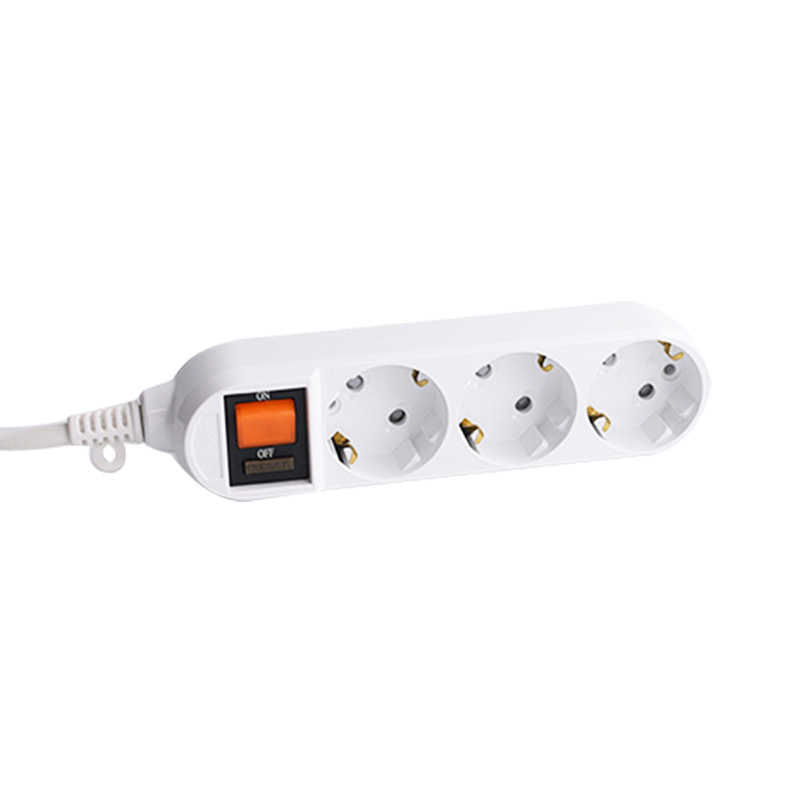
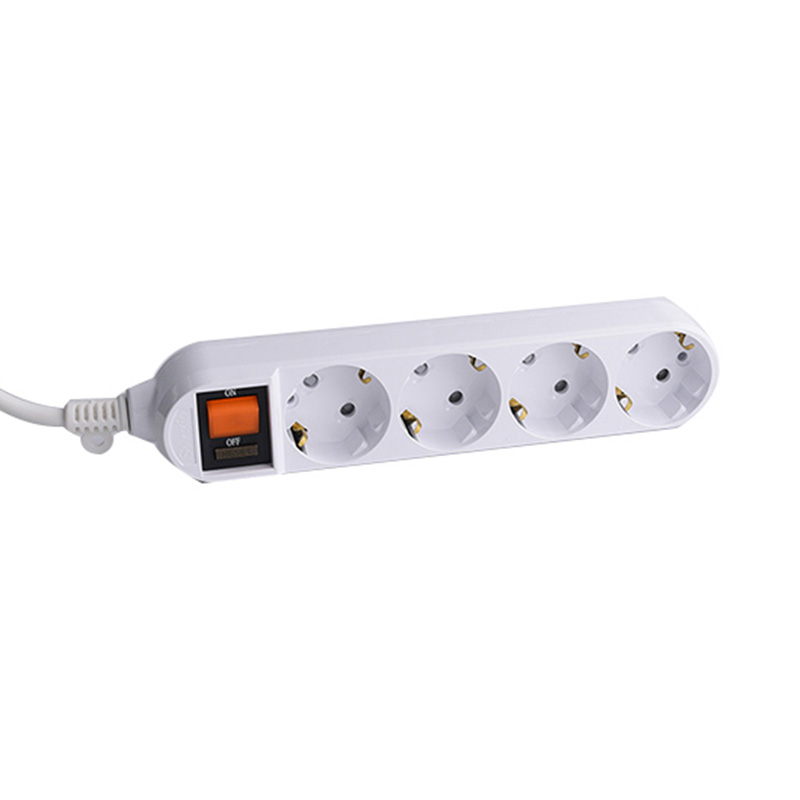
A power strip is more than just a convenience for expanding outlet capacity; it is a critical component in managing electrical safety and protecting sensitive electronics. While often used interchangeably with "surge protector," a basic power strip simply provides multiple AC outlets from a single source, offering no protection against voltage spikes. For modern homes and offices filled with computers, TVs, and smart devices, selecting a unit with adequate surge protection, proper joule rating, and safety certifications is essential to prevent equipment damage and fire hazards.
The core distinction lies in functionality. A basic power strip acts as an extension cord with multiple taps, ideal for low-power devices like lamps or fans. In contrast, a surge-protecting power strip contains metal oxide varistors (MOVs) that divert excess voltage to the ground line during spikes. Understanding this difference ensures that valuable electronics are not left vulnerable to the unpredictable nature of grid power, where surges can reach thousands of volts in microseconds.
Content
Surge Protection vs. Basic Power Strips
Not all power strips offer protection. Identifying whether a unit is a simple splitter or a protective device is crucial for safeguarding expensive equipment. Basic strips are suitable for non-sensitive items, while surge protectors are mandatory for digital devices.
Understanding Joule Ratings
The effectiveness of a surge protector is measured in Joules, which indicates how much energy the device can absorb before failing. A higher Joule rating means greater protection and a longer lifespan for the unit.
- Low Protection (Under 1,000 Joules): Suitable for small electronics like clocks or radios. Not recommended for computers.
- Medium Protection (1,000–2,000 Joules): Ideal for home office setups, including PCs, monitors, and printers.
- High Protection (2,000+ Joules): Necessary for high-end home theater systems, gaming consoles, and workstations with expensive components.
Clamping Voltage and Response Time
Clamping voltage determines the threshold at which the MOVs activate. A lower clamping voltage (e.g., 330V) offers better protection than a higher one (e.g., 400V), as it triggers sooner during a spike. Response time, typically measured in nanoseconds, should be as close to zero as possible. Most modern quality units respond in under 1 nanosecond, effectively neutralizing fast-rising transients before they reach connected devices.
Safety Features and Certifications
Electrical safety is paramount when using a power strip. Overloading circuits is a common cause of household fires, making built-in safety mechanisms non-negotiable. Always look for independent testing laboratory certifications, such as UL (Underwriters Laboratories) or ETL, which verify that the unit meets strict safety standards.
| Feature | Function | Importance |
|---|---|---|
| Circuit Breaker | Trips if load exceeds amperage limit | Prevents overheating and fire |
| Grounded Outlets | Three-prong connection | Essential for surge diversion |
| Fire-Resistant Casing | Made from ABS or polycarbonate | Contains internal faults |
| Indicator Lights | Shows protection status | Alerts when protection is lost |
Avoid unbranded or cheaply made strips that lack these features. A unit without a circuit breaker relies solely on your home's main panel, which may not trip quickly enough to prevent the strip itself from melting or catching fire during a localized overload.
Proper Usage and Load Management
Even the highest quality power strip can become a hazard if misused. Understanding electrical load limits is critical. Most household power strips are rated for 15 amps at 125 volts, equating to a maximum load of 1,875 watts. Exceeding this limit can trip the breaker or cause the cord to overheat.
What Not to Plug In
High-wattage appliances should never be plugged into a power strip. These devices draw significant current and can easily overload the strip or cause voltage drops that affect other connected electronics.
- Space Heaters: Draw consistent high amperage; plug directly into wall outlets.
- Air Conditioners: Compressors require high startup current, risking tripping the strip's breaker.
- Microwaves and Toaster Ovens: High wattage heating elements exceed safe continuous loads for standard strips.
- Refrigerators: Should be plugged directly into dedicated wall outlets to ensure consistent power and safety.
Daisy Chaining Risks
"Daisy chaining" involves plugging one power strip into another. This practice is strictly prohibited by fire codes and safety standards. It increases electrical resistance, creates potential failure points, and can easily lead to overloading the first strip in the chain. Always plug power strips directly into wall outlets to ensure safe operation.
When to Replace Your Power Strip
Surge protectors have a finite lifespan. Each surge event degrades the internal MOVs slightly. Eventually, they wear out and can no longer protect connected devices, even though the strip may still provide power.
Most units feature an indicator light that signals when protection is active. If this light goes out, the strip is no longer a surge protector and should be replaced immediately. Additionally, replace the unit if:
- The casing is cracked, discolored, or warm to the touch.
- Outlets feel loose or do not hold plugs securely.
- It has been in use for more than 3 to 5 years, as internal components degrade over time even without major surges.
Regularly inspecting and updating your power distribution setup ensures that your home office and entertainment systems remain safe from both electrical fires and voltage damage.
PRODUCTS
ABOUT US
CONTACT INFO.
- +86-18758062352
- +86-0571-64701616
- [email protected]
- No. 7, Xinqu Road, Xin’Anjiang Street, Jiande, Hangzhou, Zhejiang, China

Copyright © 2023 Hangzhou Newmany Electronics Co., Ltd. All Rights Reserved. Power Strip Manufacturer in China| Login

 TOP
TOP