
 ENG
ENG
 English
 русский
 한국어
한국어 Deutsch
Submit feedback
News
 Home / News / Industry News / How Do Hospitals Ensure Compatibility Between Electrosurgical Pencils and Power Cords?
 How Do Hospitals Ensure Compatibility Between Electrosurgical Pencils and Power Cords?
 2026.01.04
 Industry News
Electrosurgical pencils are critical tools in modern surgical procedures, allowing precise cutting and coagulation of tissues. The performance and safety of these devices depend heavily on the compatibility between the pencil and its power cord. Hospitals must ensure that each power cord aligns with the specific electrosurgical pencil model to avoid operational errors, electrical hazards, and compromised surgical outcomes. Proper compatibility involves technical specifications, regulatory compliance, and rigorous maintenance protocols.
Content
Technical Specifications for Compatibility
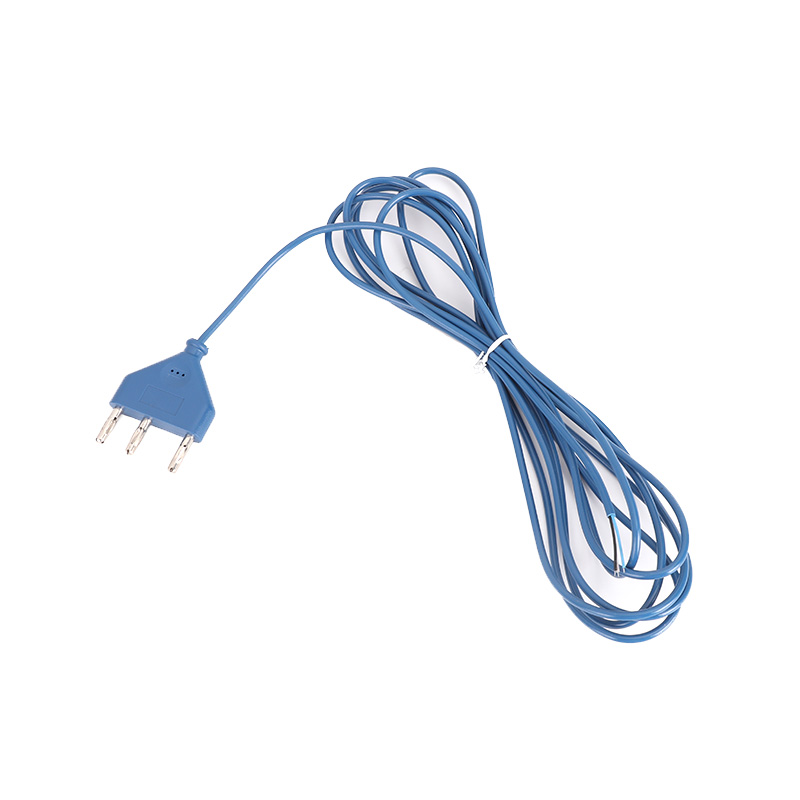
Power cords for electrosurgical pencils vary in length, connector type, insulation material, and amperage rating. Hospitals maintain compatibility by matching the cord’s specifications with the device’s requirements. For example, monopolar and bipolar pencils require different connectors and voltage ratings. Using an incompatible cord can result in ineffective energy delivery, sparking, or even device damage.
Hospitals often maintain detailed documentation of each pencil model and its compatible cords. This includes part numbers, serial numbers, and technical manuals. Compatibility tables are frequently used by biomedical engineering teams to quickly verify that the correct cord is paired with the surgical instrument.
Standardization and Regulatory Compliance
Ensuring compatibility also involves adhering to medical device regulations and standards. International standards, such as IEC 60601-1 for electrical safety and IEC 60601-2-2 for high-frequency surgical equipment, provide guidelines for power cord design and performance. Hospitals procure cords and pencils from certified manufacturers that comply with these standards to minimize risks.
Color-coded connectors and standardized plugs are additional measures used to prevent misconnection. Many hospitals implement policies where only cords with approved certifications and markings are allowed in operating rooms. This ensures both patient safety and compliance with national health regulations.
Hospital Protocols and Staff Training
Beyond technical specifications, hospital protocols play a vital role in maintaining compatibility. Surgical teams and biomedical technicians are trained to inspect cords for correct connector types, insulation integrity, and manufacturer approval before each procedure. Regular training sessions reinforce the importance of using the correct cords and avoiding substitutions that could compromise safety.
Hospitals often use visual guides, checklists, and color-coded storage systems to streamline the verification process. These practices reduce human error and ensure that each electrosurgical pencil is always paired with its corresponding power cord.
Inventory Management and Labeling
Proper inventory management is essential to maintain cord compatibility. Hospitals use barcodes or RFID tags on power cords and pencils to track usage and prevent mix-ups. Each cord is labeled with model compatibility information, voltage ratings, and expiration dates if applicable. Centralized tracking systems allow biomedical departments to quickly identify replacement cords and avoid downtime during surgeries.
Segregated storage areas, where cords for monopolar and bipolar pencils are kept separately, further reduce the risk of incompatible connections. Hospitals also perform periodic audits to ensure compliance with storage, handling, and usage standards.
Inspection and Maintenance
Regular inspection and maintenance of power cords are critical to ensure compatibility and safe operation. Biomedical teams check for frayed wires, bent connectors, and damaged insulation, which can all lead to electrical faults. Testing the electrical resistance and continuity of cords ensures they meet manufacturer specifications.
Maintenance schedules often include replacement cycles based on usage hours or visible wear. By proactively replacing worn cords, hospitals minimize the risk of connecting an incompatible or unsafe cord during critical surgical procedures.
Comparison Table: Ensuring Compatibility
| Aspect | Hospital Practice | Purpose |
| Technical Specifications | Match voltage, connector, length | Ensure correct energy delivery |
| Regulatory Compliance | Use certified and color-coded cords | Minimize electrical hazards |
| Staff Training | Check cords before each procedure | Reduce human error |
| Inventory Management | Label and track cords centrally | Prevent mix-ups and downtime |
| Maintenance | Regular inspection and replacement | Maintain safe operation |
Conclusion
Hospitals ensure compatibility between electrosurgical pencils and power cords through a combination of technical verification, regulatory adherence, staff training, inventory management, and proactive maintenance. By implementing strict protocols and monitoring systems, hospitals minimize operational risks, maintain surgical precision, and ensure patient safety. Correct cord-pairing practices are a critical component of modern surgical standards, highlighting the importance of meticulous management and continuous staff education.
PRODUCTS
ABOUT US
CONTACT INFO.
- +86-18758062352
- +86-0571-64701616
- [email protected]
- No. 7, Xinqu Road, Xin’Anjiang Street, Jiande, Hangzhou, Zhejiang, China

Copyright © 2023 Hangzhou Newmany Electronics Co., Ltd. All Rights Reserved. Power Strip Manufacturer in China| Login

 TOP
TOP