
 ENG
ENG
 English
 русский
 한국어
한국어 Deutsch
Submit feedback
News

Cable Reel Innovations Reduce Downtime and Maintenance Costs
 2025.12.12
 Industry News
Content
- 1 Introduction: The Role of Cable Reels in Industrial Efficiency
- 2 Innovations in Cable Reel Materials
- 3 Design Improvements for Efficiency
- 4 Automation and Smart Technologies
- 5 Maintenance Strategies to Reduce Costs
- 6 Applications Across Industries
- 7 Cost-Benefit Analysis of Advanced Cable Reels
- 8 Conclusion: Driving Efficiency with Cable Reel Innovations
Introduction: The Role of Cable Reels in Industrial Efficiency
Cable reels are critical components in industrial, construction, and utility operations, enabling organized storage, deployment, and retrieval of electrical and communication cables. Downtime caused by cable tangling, wear, or inefficient handling can disrupt workflows and increase maintenance costs. Recent innovations in cable reel design, materials, and automation have improved durability, safety, and operational efficiency. This article explores the latest technological advancements, design improvements, maintenance strategies, and practical applications of modern cable reels in reducing downtime and operational costs.
Innovations in Cable Reel Materials
Material selection plays a crucial role in cable reel performance and longevity. Traditional steel and wood reels are being replaced with lightweight composites, aluminum alloys, and high-strength plastics. These materials reduce reel weight, enhance corrosion resistance, and withstand heavy-duty industrial usage. Using durable materials minimizes wear and tear, lowering the frequency of replacements and reducing maintenance costs.
Composite and Lightweight Reels
- Fiberglass and reinforced polymers provide strength while reducing weight.
- Aluminum reels resist corrosion and are suitable for outdoor and marine environments.
- Lightweight reels ease transportation, handling, and reduce labor strain.
Design Improvements for Efficiency
Modern cable reels incorporate ergonomic and functional design improvements to optimize cable handling. Features like retractable mechanisms, modular cores, and swivel bases prevent tangling, reduce deployment time, and improve cable longevity. These design upgrades contribute to smoother operations and minimize costly downtime.
Key Design Features
- Swivel or rotating bases for 360-degree cable deployment without kinks.
- Integrated braking systems for controlled cable release and retraction.
- Modular core designs enabling quick replacement of damaged sections.
Automation and Smart Technologies
Automation in cable reels reduces manual intervention and increases reliability. Motorized reels, tension sensors, and remote-controlled operations allow precise cable handling, reducing wear and minimizing human error. Smart reels with monitoring systems provide real-time feedback on cable usage, retraction speed, and maintenance needs, enabling predictive maintenance and avoiding unexpected downtime.
Technological Enhancements
- Motorized retraction reduces strain on cables and operators.
- Tension control prevents overstretching or cable damage.
- Remote monitoring tracks usage patterns and schedules proactive maintenance.
Maintenance Strategies to Reduce Costs
Proper maintenance of cable reels ensures long-term performance and reduces downtime. Regular inspection of bearings, cores, and cable integrity prevents sudden failures. Lubrication of moving parts, cleaning of reel surfaces, and checking for corrosion prolong operational life. Additionally, staff training on correct cable deployment and retrieval practices reduces accidental damage.
Practical Maintenance Guidelines
- Scheduled inspections of reel mechanisms and bearings every 3–6 months.
- Lubrication of rotating parts to maintain smooth operation.
- Cleaning and protective coating to prevent rust and corrosion.
Applications Across Industries
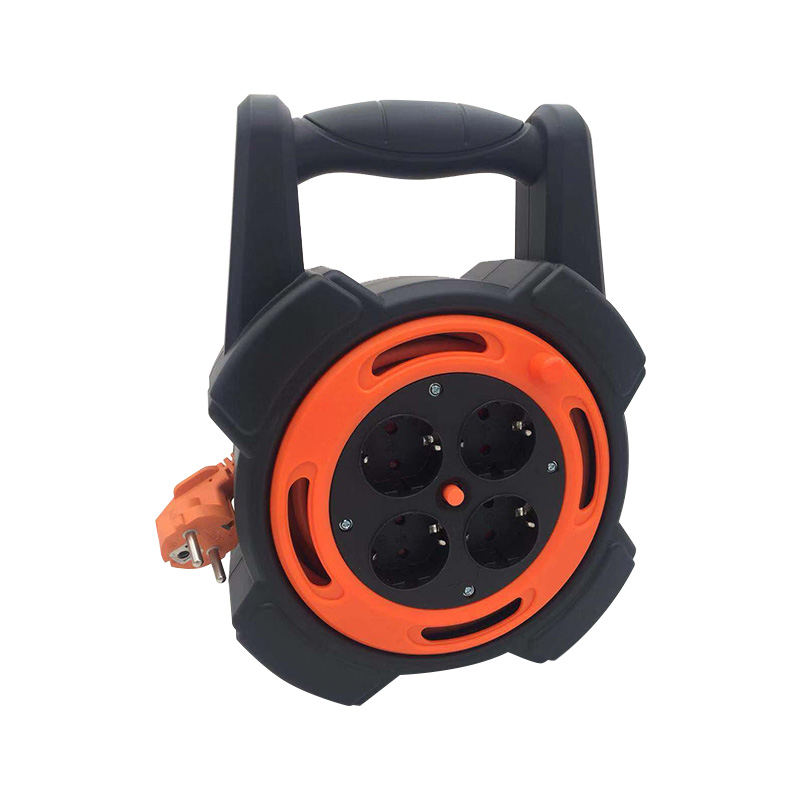
Cable reels are used in construction, industrial manufacturing, energy, telecommunications, and entertainment sectors. In construction, reels facilitate temporary power distribution across job sites. In industrial settings, they support machinery and automation systems. Energy and telecom industries rely on reels for long-distance cable deployment, while entertainment and events use them for stage lighting and audio setups. Each application benefits from durable, efficient, and low-maintenance reel designs.
Industry Examples
- Construction sites: portable reels for power and data distribution.
- Manufacturing plants: automated reels integrated with machinery for continuous operation.
- Telecom and energy: heavy-duty reels for fiber optic and high-voltage cables.
Cost-Benefit Analysis of Advanced Cable Reels
While high-quality or automated cable reels may have higher upfront costs, the reduction in downtime, lower maintenance frequency, and improved operational efficiency often justify the investment. Organizations can save labor costs, reduce cable replacements, and avoid production delays, leading to long-term financial benefits.
Example Table: Efficiency Gains
| Reel Type | Initial Cost | Maintenance Frequency | Downtime Reduction |
| Traditional Steel Reel | Low | High | Moderate |
| Lightweight Composite Reel | Moderate | Moderate | High |
| Motorized Smart Reel | High | Low | Very High |
Conclusion: Driving Efficiency with Cable Reel Innovations
Innovations in cable reel materials, design, and automation are transforming how industries manage cables, reducing downtime and maintenance costs. By investing in advanced, durable, and smart cable reels, organizations enhance operational efficiency, improve worker safety, and achieve long-term cost savings. The adoption of these innovations ensures reliable cable handling across diverse applications and supports sustainable industrial growth.

PRODUCTS
ABOUT US
CONTACT INFO.
- +86-18758062352
- +86-0571-64701616
- [email protected]
- No. 7, Xinqu Road, Xin’Anjiang Street, Jiande, Hangzhou, Zhejiang, China

Copyright © 2023 Hangzhou Newmany Electronics Co., Ltd. All Rights Reserved. Power Strip Manufacturer in China| Login

 TOP
TOP