
 ENG
 English
 русский
 한국어
 Deutsch

Submit feedback
News
 Home / News / Industry News / C13 vs C14 Power Cord: Connector Roles, Ratings, and Practical Buying Checks
C13 vs C14 Power Cord: Connector Roles, Ratings, and Practical Buying Checks
 2026.11.12
 Industry News
A rack PDU is labeled "C13 outlets," the server inlet is labeled "C14," and the spare cord in the drawer is labeled neither. The safe conclusion is simple: C13 and C14 are not competing cord types. They are the two mating halves of one IEC 60320 connection. C13 is the female connector that goes to the device; C14 is the male inlet on the device or power distribution equipment. The cord you buy must match the gender and orientation at both ends, not just the letter.
Content
- 1 The short answer: C13 is the outlet end, C14 is the inlet end
- 2 Why "C13 vs C14 power cord" is an incomplete comparison
- 3 Connector roles, ratings, and physical checks
- 4 What actually matters on a purchase order
- 5 Where C13 and C14 belong, and where they do not
- 6 Medical and specialty equipment needs a separate check
- 7 A final check before you order
The short answer: C13 is the outlet end, C14 is the inlet end
In standard IEC 60320 construction, C13 is a female connector, often described as a receptacle or coupler. It is the end that plugs into a device's C14 inlet. C14 is a male inlet with three pins, mounted on equipment such as a server, UPS, lab instrument, or PDU. The two are designed to mate: C13 female to C14 male. A C13 connector cannot mate with another C13 connector, and a C14 inlet cannot accept a C14 plug.
A common assembly is the C14-to-C13 cord: a C14 male plug on one end and a C13 female connector on the other. In a rack, that cord can connect a C13 female outlet on a PDU to a C14 male inlet on a server. The same cord may be sold as a "C13 power cord" or a "C14 power cord," depending on which end the seller emphasizes. That shorthand is the source of most ordering mistakes.
Why "C13 vs C14 power cord" is an incomplete comparison
The phrase sounds like a choice between two complete products, but C13 and C14 describe connector interfaces, not a full cable specification. C14 is most often an inlet on equipment, yet it also appears as a male plug on a cord. C13 is the female connector on the cord and the female outlet on some PDUs. Two cords can both be called "C14 cords" and still differ in length, conductor size, jacket material, plug angle, and certification.
For procurement, write the connection in both directions: "C14 male plug to C13 female connector, 1.8 m, 10 A, 250 V, SJT jacket, UL listed." Add a photo or drawing for right-angle or locking variants. If a supplier quotes only "C13 vs C14," ask for the gender and location of each end. This is especially important when a C14 plug must enter a C13 outlet, because the gender pairing is the opposite of what the letter sequence alone suggests.
Connector roles, ratings, and physical checks
| Attribute | C13 | C14 |
|---|---|---|
| Contact gender | Female connector or outlet | Male plug or inlet |
| Typical location | Device-end cord connector; PDU outlet | Equipment power inlet; cord plug |
| Mates with | C14 inlet or plug | C13 outlet or connector |
| Common rating | 10 A, 250 V; check marking | 10 A, 250 V; check marking |
| Temperature class | Standard 70 C class | Standard 70 C class |
| Typical use | Servers, UPS, lab gear, rack PDUs | Server, PDU, and instrument inlets |
| Do not confuse with | C15/C16 high-temperature, C19/C20 | C15/C16 high-temperature, C19/C20 |
The table is a starting point, not a release to buy. The 10 A, 250 V marking is common, but the device label and the branch circuit set the real limit. A C13/C14 cord should not be used to exceed the rating of the connector, the outlet, or the equipment inlet. If the application runs hot, or the device specifies a C15/C16 interface, a standard C13/C14 cord is the wrong part even if it physically fits.
What actually matters on a purchase order
Once the gender pairing is correct, the remaining variables decide whether the cord is safe and durable in service.
- End A and end B: specify C14 male plug to C13 female connector, or the reverse only if the equipment truly requires it. Note straight vs right-angle and the direction of the angle.
- Current and voltage: match the device inlet, PDU outlet, and branch protection. Do not rely on a generic "10 A" label without checking the marking on the parts.
- Conductor size and length: 18 AWG, 16 AWG, and 14 AWG cords are not interchangeable at every length and load. Long runs increase voltage drop and heat; the gauge must suit the current and installation.
- Jacket and approvals: SJT, SVT, and other jacket types suit different environments. Ask for the required approval mark, flame rating, and RoHS documentation for the destination market.
- Mechanical details: strain relief, pin alignment, connector body clearance, and cable entry direction matter in dense racks. A cord that fits electrically can still block a door or pull loose.
For a data-center rollout, buy from a lot with traceable approval records and consistent molding. For a lab bench, a right-angle C13 connector may save space; for a fixed rack, a straight connector with a defined bend radius is often easier to dress.
Where C13 and C14 belong, and where they do not
C13/C14 connections are common in rack power distribution: a C14 inlet on the server, a C13 outlet on the PDU, and a C14-to-C13 cord between them. They also appear on UPS units, network switches, lab instruments, and some appliances. They are not a substitute for a regional wall plug. A C14 inlet is not a universal socket, and a C13 connector should not be forced into a Schuko, UK, or Korean wall outlet.
Site power is a different purchase. Temporary outdoor distribution needs grounding, ingress protection, cable management, and a cable length that matches the run. A cable reel selected for indoor and outdoor use is a better fit than a rack cord in that context. Grounding practice also deserves its own check; this guide on grounding a cable reel covers the safety side in more detail.
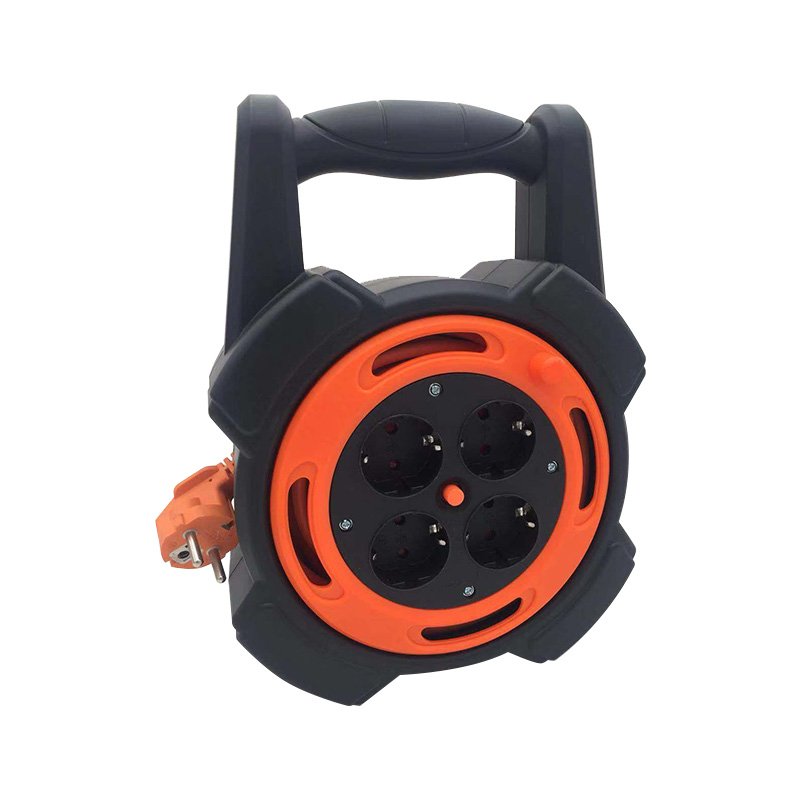 EU Standard Indoor/Outdoor Cable Reel with Overload ProtectionA 10 m EU-standard reel for temporary site power, with overload protection and orderly cable management for indoor and outdoor use.View Product →
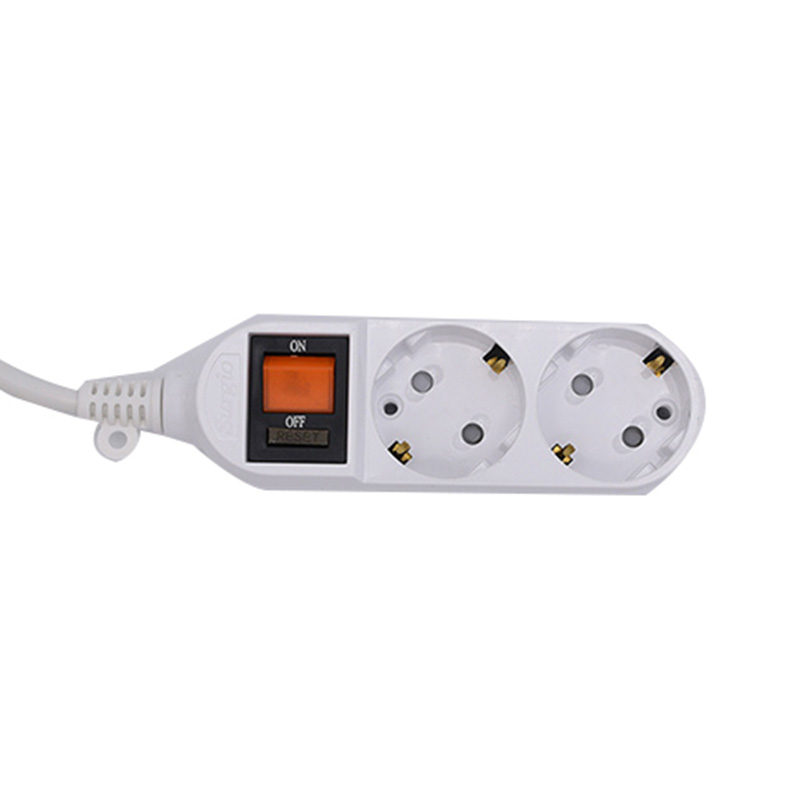
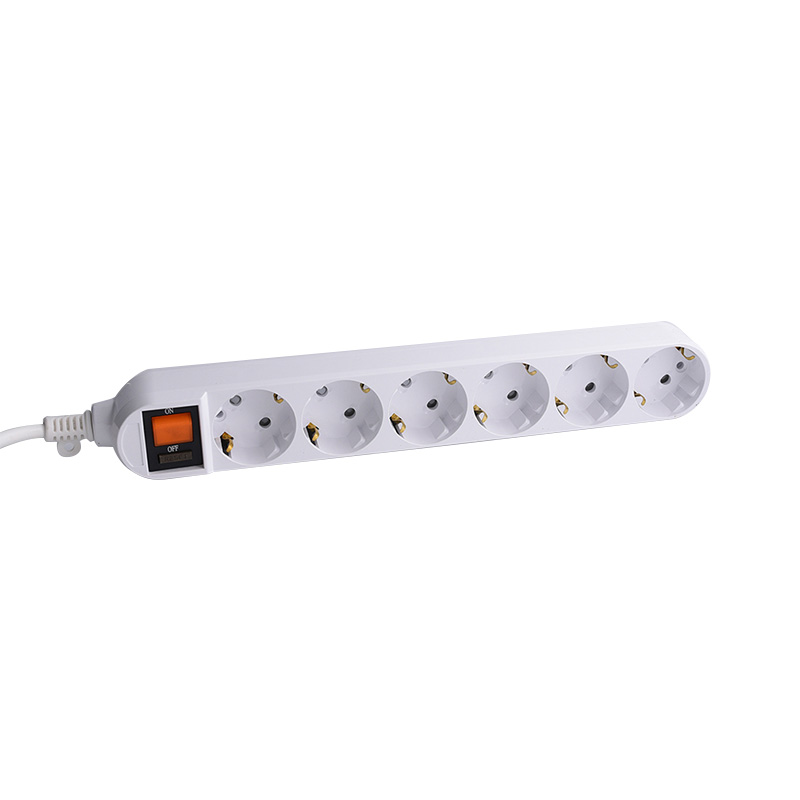
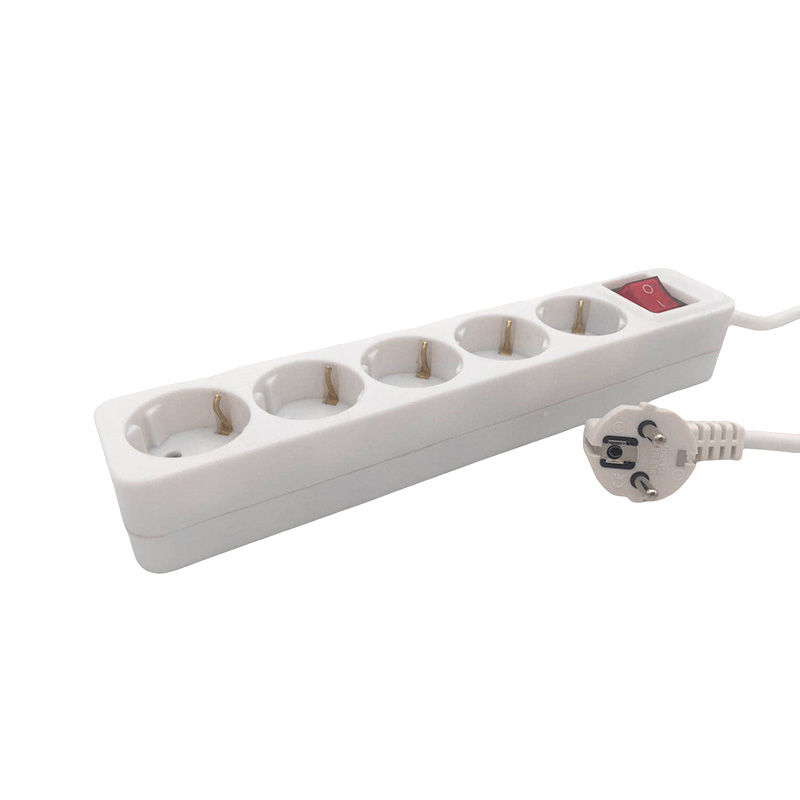
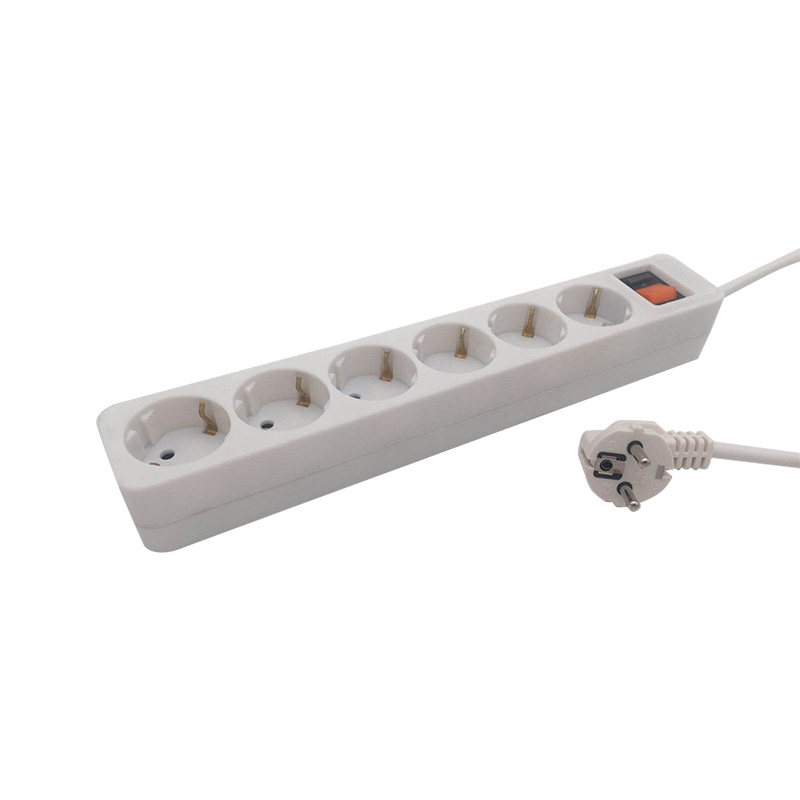
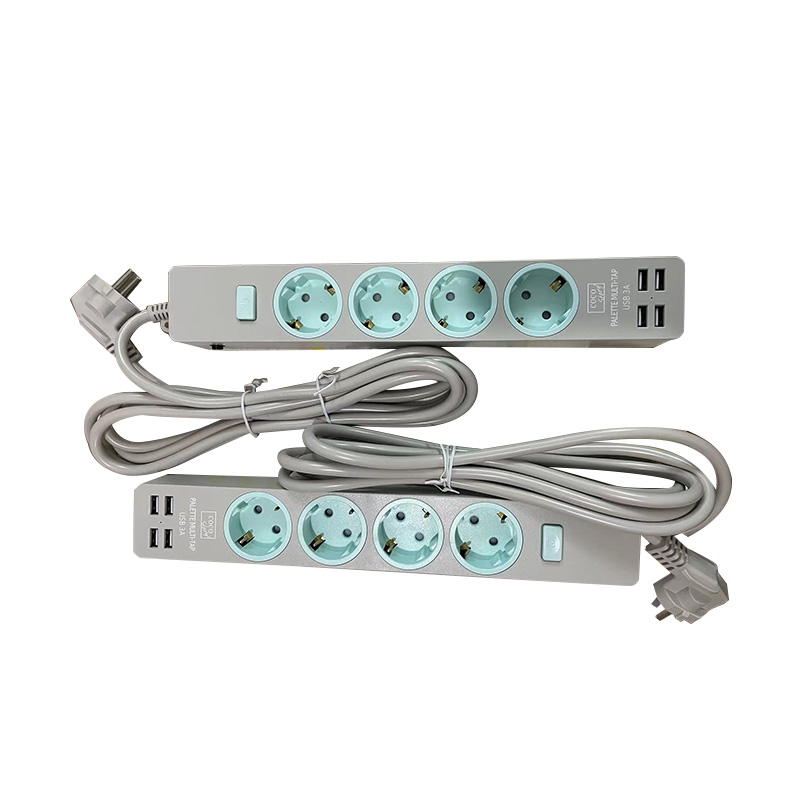
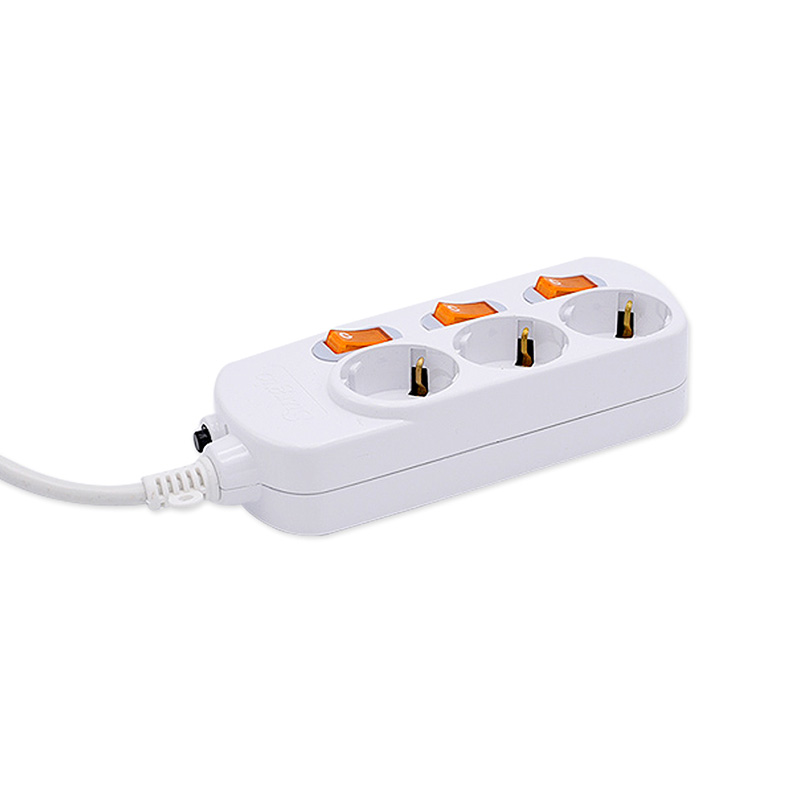
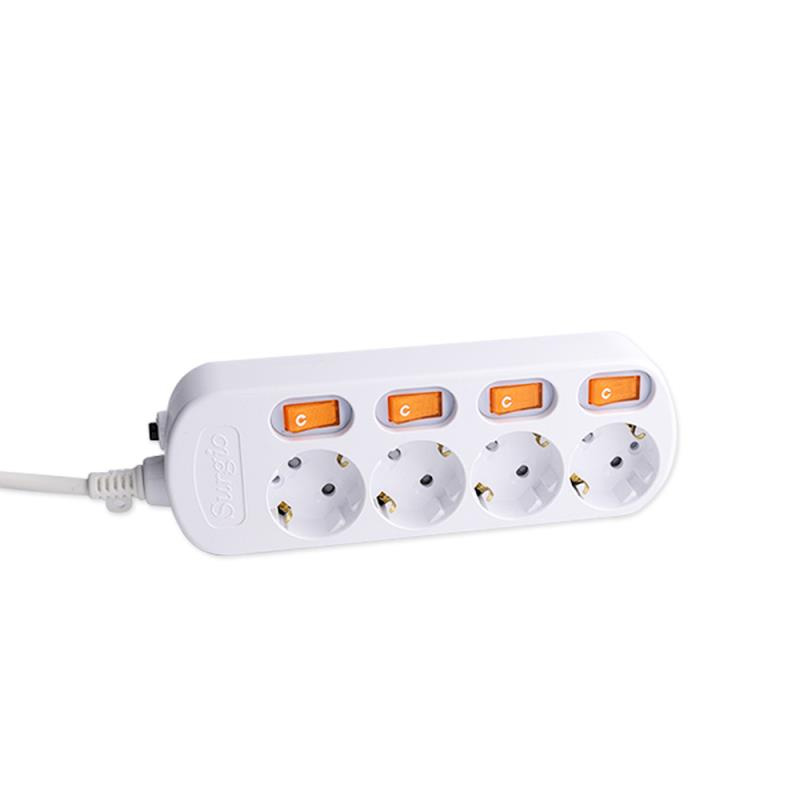
Likewise, a regional socket strip is not a C13/C14 cord. If the requirement is a power strip with EU outlets, switches, or overload protection, compare the outlet standard and protection scheme first. The power strip range is organized by those variables, not by IEC connector letters.
Medical and specialty equipment needs a separate check
Medical equipment is a good reminder that "power cord" is not a generic category. An electrosurgical pencil cable may use a dedicated medical connector, specific insulation, and validated sterilization or single-use requirements. A C13/C14 cord should never be substituted unless the device label and the approved accessory list explicitly permit it. The connector may look similar in a photo, but the risk profile is entirely different.
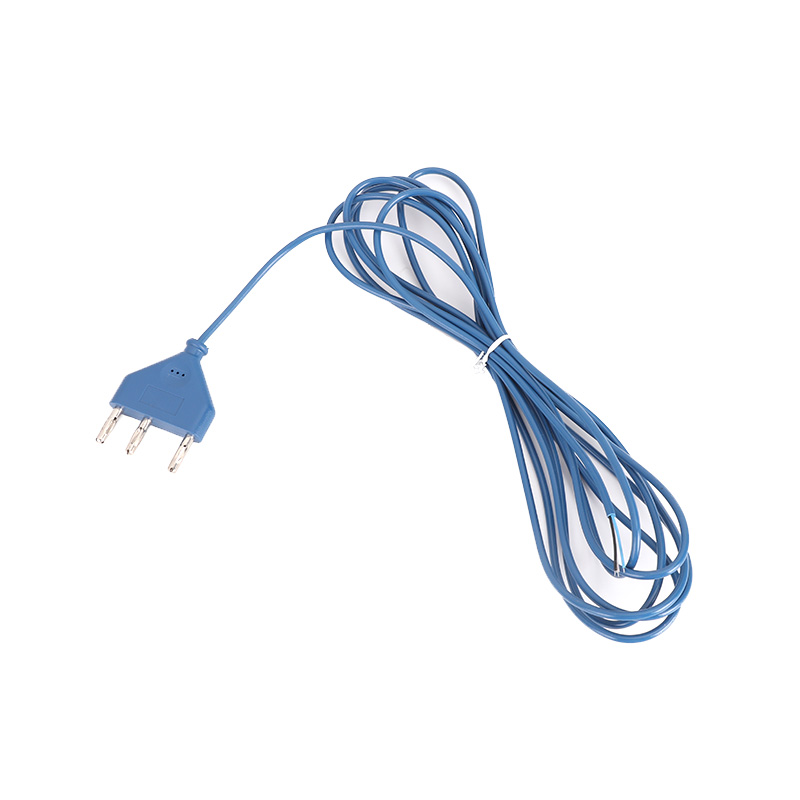 Disposable Monopolar Electrosurgical Pencil Cables for Surgical UseSingle-use monopolar cables for electrosurgical pencils, designed for robust surgical environments; verify the approved connector and compliance file before substitution.View Product →
For any specialty cord, request the drawing, approved mate, and compliance file. Do not let a "C13 vs C14" shorthand override the equipment manufacturer's specification.
A final check before you order
- Confirm the gender at each end: C14 male plug, C13 female connector, or a different interface.
- Read the device inlet and PDU outlet markings; verify 10 A, 250 V only if both sides agree.
- Match conductor gauge to current, length, and ambient temperature.
- Check jacket type, approval marks, and RoHS status for the destination market.
- Measure clearance for right-angle connectors, cable bends, and rack doors.
- Keep specialty and medical cords on a separate approved-accessory list.
The practical answer to C13 vs C14 is therefore not a winner. C13 is the female device-end connector; C14 is the male inlet or plug that mates with it. Buy the cord by its two end interfaces, its ratings, and its approval record. That simple discipline prevents the common failure of ordering a cord that looks right in a catalog photo but cannot be plugged in safely.
PRODUCTS
ABOUT US
CONTACT INFO.
- +86-18758062352
- +86-0571-64701616
- [email protected]
- No. 7, Xinqu Road, Xin’Anjiang Street, Jiande, Hangzhou, Zhejiang, China

Copyright © 2023 Hangzhou Newmany Electronics Co., Ltd. All Rights Reserved. Power Strip Manufacturer in China| Login

 TOP