
 ENG
 English
 русский
 한국어
 Deutsch

Submit feedback
News
 Home / News / Industry News / C13 Outlets Explained: Current Ratings, Compatibility, and Sourcing Checks
C13 Outlets Explained: Current Ratings, Compatibility, and Sourcing Checks
 2026.10.26
 Industry News
A shipment of 6,000 C13 power cords clears customs, reaches the assembly line, and then a third of them fail the first pull test at the connector body. The plug tops match the order, the labels match the order, and the unit price was the lowest of three quotes. Nothing about the C13 shape was wrong. What was wrong was everything specified around the shape.
The short version: a C13 outlet is not a commodity. It is a defined IEC 60320 interface rated 10 A at 250 V with a 70 °C maximum pin temperature, three conductors and one specific blade spacing, and the parts around it decide whether the assembly survives real use. Cordage cross-section, plug end standard, approval marks, molding quality and retention all sit outside the connector outline drawing, and all of them fail independently in the field. Buyers who treat C13 as a generic part buy rework; buyers who treat it as a specification get a boring, repeatable shipment.
Content
What a C13 Outlet Actually Is
Terminology causes most of the early confusion. In appliance and IT catalogs, a "C13 outlet" is normally the female connector moulded onto a cord, which mates with the male C14 inlet built into the equipment chassis. Rack PDUs also present C13 outlets at the rear panel. Strictly speaking, the female half is the connector and the chassis-mounted male is the inlet, but the trade uses the two words loosely, so confirm which half a drawing is describing before you approve a sample.
The mechanical facts matter more than the name. C13 has three contacts in a rectangular shroud with a 10 A, 250 V rating per IEC 60320-1, and the mating face is temperature-limited to 70 °C. That last number is the one procurement teams forget, because it is a property of the plastic and the contact spring, not of the copper. A cord that carries the current fine at 22 °C can soften, discolour and lose contact pressure in a hot enclosure, and the failure shows up months later as intermittent reboots rather than as a clean open circuit.
C13 vs C15 vs C19: Choose by Heat and Current
IEC 60320 defines a family, and the family members are keyed so that a lower-temperature connector physically cannot be inserted into a higher-temperature inlet. That notching is a safety feature, not an inconvenience, and forcing a C13 into a C16 inlet destroys both parts.
| Connector pair | Rated current | Max pin temperature | Typical duty |
|---|---|---|---|
| C13 / C14 | 10 A | 70 °C | Servers, PDUs, monitors, lab instruments, office equipment |
| C15 / C16 | 10 A | 120 °C | Kettles, stage lighting, equipment that radiates heat into its own inlet |
| C17 / C18 | 10 A | 70 °C | Two-conductor, double-insulated appliances with no earth contact |
| C19 / C20 | 16 A | 155 °C | UPS units, high-output power supplies, larger blade spacing and body |
The practical rule: pick the connector the appliance inlet was designed for, then make the cord match. Upgrading to a C15 cord "for safety" gains nothing if the appliance has a C14 inlet, and downgrading to save cost is impossible anyway because the keying blocks it. Current rating deserves the same discipline, since a 10 A connector on a circuit that draws 9.5 A continuously is already living on its margin once ambient temperature and bundled cables are added.
Where C13 Assemblies Are Used
Server rooms and small data closets are the obvious case: rack PDUs feed servers, switches and KVM consoles through C13-to-C14 jumpers, usually short and frequently re-patched. Office and studio desks use the same connector for monitors, docking stations, audio interfaces and powered speakers. Test benches and calibration labs use it because the interface is standardised across instruments from different suppliers, which keeps a drawer of spare cords useful.
Medical equipment is the category that changes the sourcing conversation. Patient monitors, imaging carts and diagnostic systems commonly use C14 inlets, which means the cord is a regulated accessory rather than a commodity: hospital-grade retention, documented change control and consistent moulding are usually written into the purchase agreement. Mobile carts and rolling stands add vibration, so a connector that holds firmly by hand can still walk loose over a shift.
What to Check Before Approving a C13 Sample
- Mating half. Confirm whether the drawing shows the C13 connector or the C14 inlet, and confirm which half your supplier is quoting.
- Cordage. A 10 A C13 cord is commonly built on 3 × 0.75 mm² flexible cord in Europe or 18 AWG in North America; anything thinner needs justification, and mixing gauges inside one SKU is a defect, not a variance.
- Temperature class. The connector rating must meet or exceed the inlet rating of the appliance, including the heat that the appliance itself pushes back into the plug.
- Plug end and market. The wall end must match the destination: Schuko, UK, Korean or North American configurations each carry their own approval route, and a CE mark on the connector says nothing about the plug top.
- Retention. Standard C13 has no lock. Where cords are patched often or the equipment moves, specify locking connectors or retention clips rather than accepting repeated service calls.
- Housing material. The connector body and any distribution housing nearby should be specified by flammability and heat performance, not colour. The relationship between heat resistance, fire resistance and flame retardancy of PC housings is worth reading before you sign off a material substitution.
- Marking and traceability. Rating, approval marks, origin and lot code should be legible after moulding, because a faded mark is the first thing an auditor finds.
Material choice also affects cost and durability in ways the datasheet rarely states. Polycarbonate handles heat and impact well; polypropylene is more chemically resistant but softer. A supplier that can explain why one grade was chosen for a specific housing is usually a supplier that controls its incoming resin.
Sourcing Mistakes That Only Appear Later
The most expensive C13 problem is silent substitution. A second production run arrives with the same part number but a shorter strain relief, a thinner cord or a slightly different contact spring, and nothing fails at incoming inspection because nothing was measured against the original sample. Keep a golden sample, and test pull force, insertion force and contact resistance against it at each receipt.
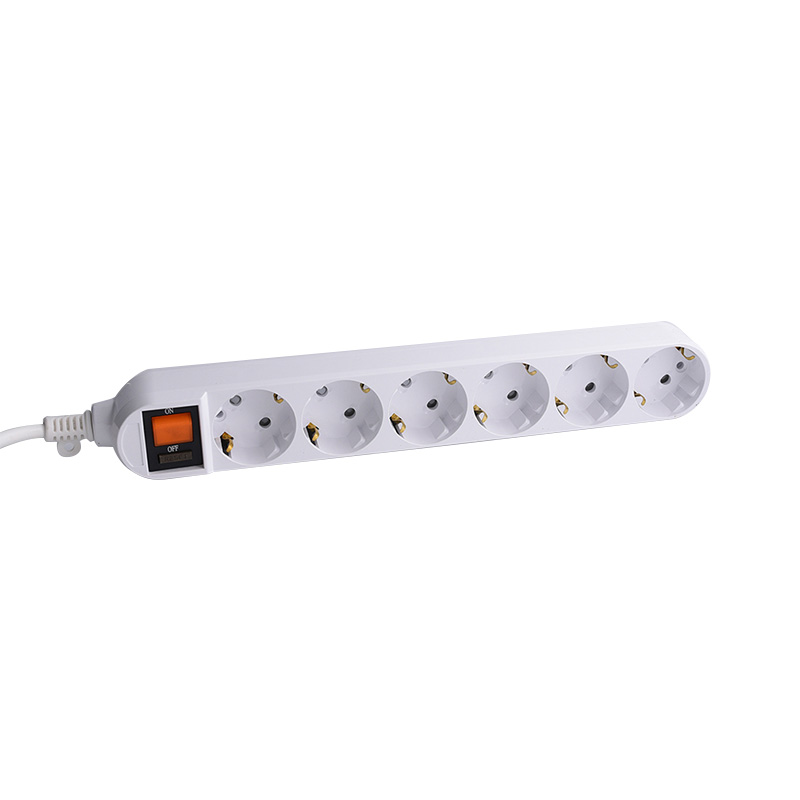
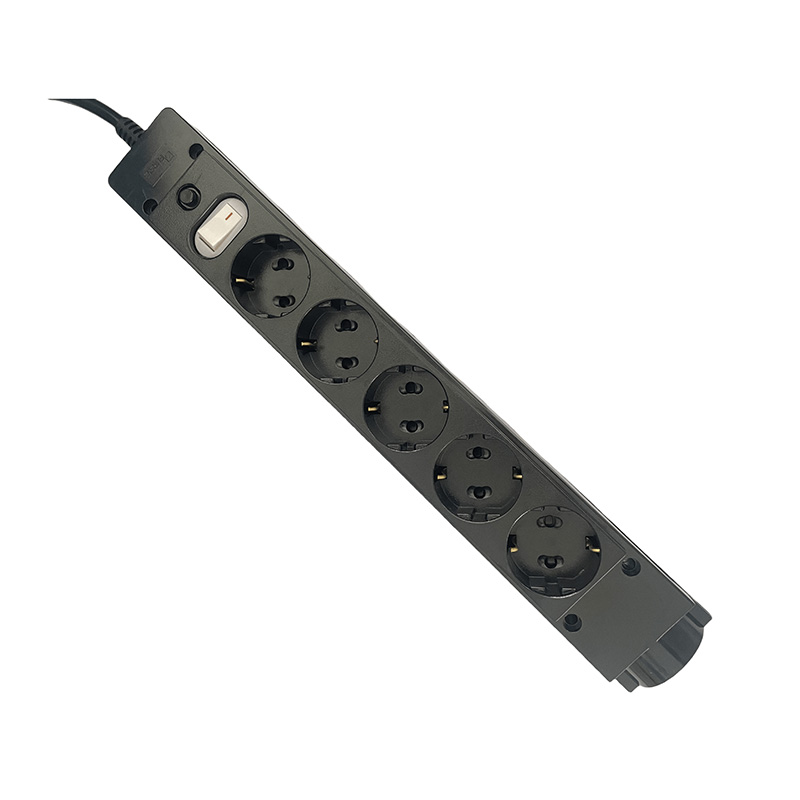
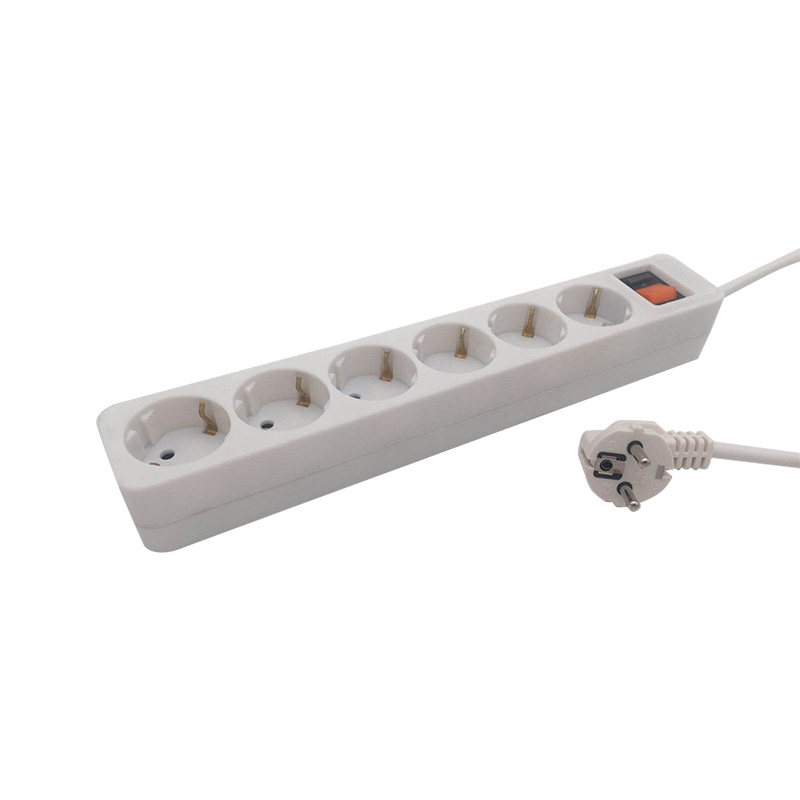
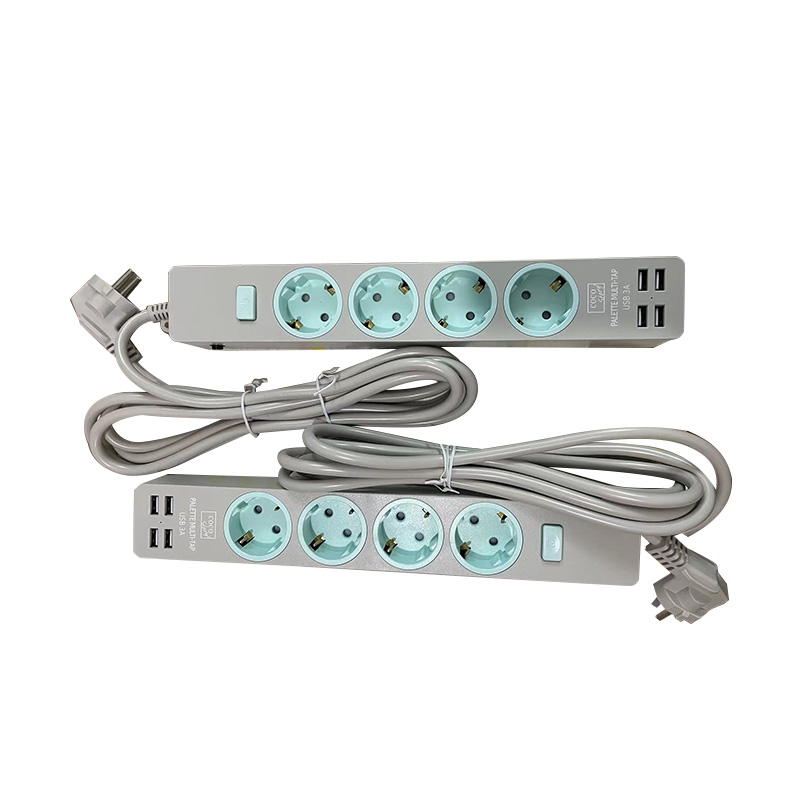
The second is confusing the distribution side with the device side. If your equipment inlet is C14, the device end of the cord is settled; the variable is what happens between the wall and the rack. In European installations that usually means a Schuko distribution strip with overload protection, sized so that the sum of connected loads stays inside the strip's rating rather than simply inside the wall circuit's rating. On site, where the run is longer than a desk, cable reels extend the reach but introduce their own rules on grounding and on unwinding the full length before loading, which is where overheating incidents usually begin.
The third is approving a connector without approving the assembly. A C13 body from a good tool and a poorly terminated cord end look identical on a bench photo and behave very differently after a year of flexing.
Matching the Distribution Side to the C13 Device Side
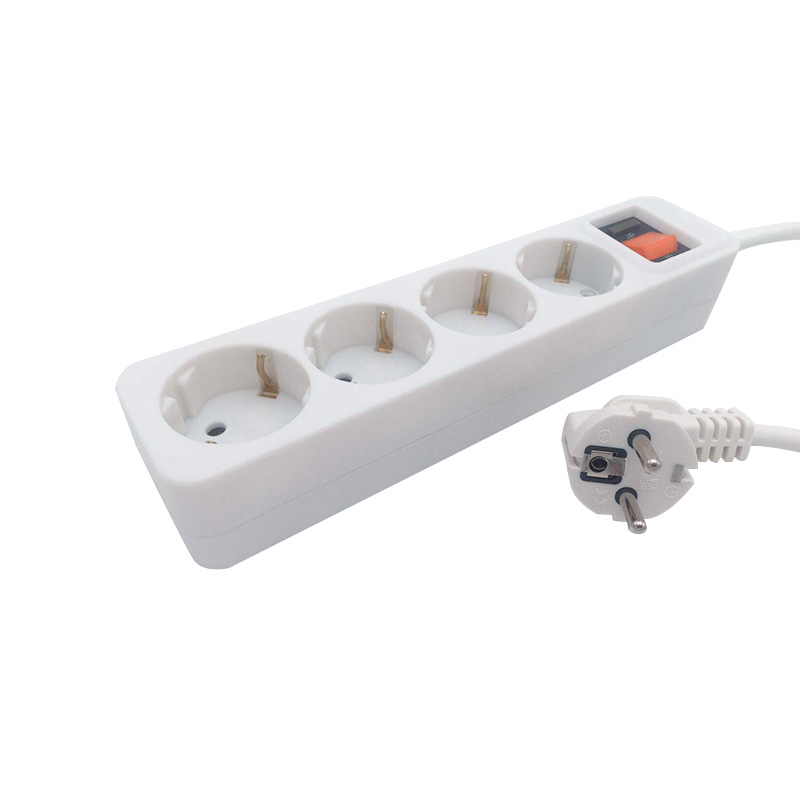
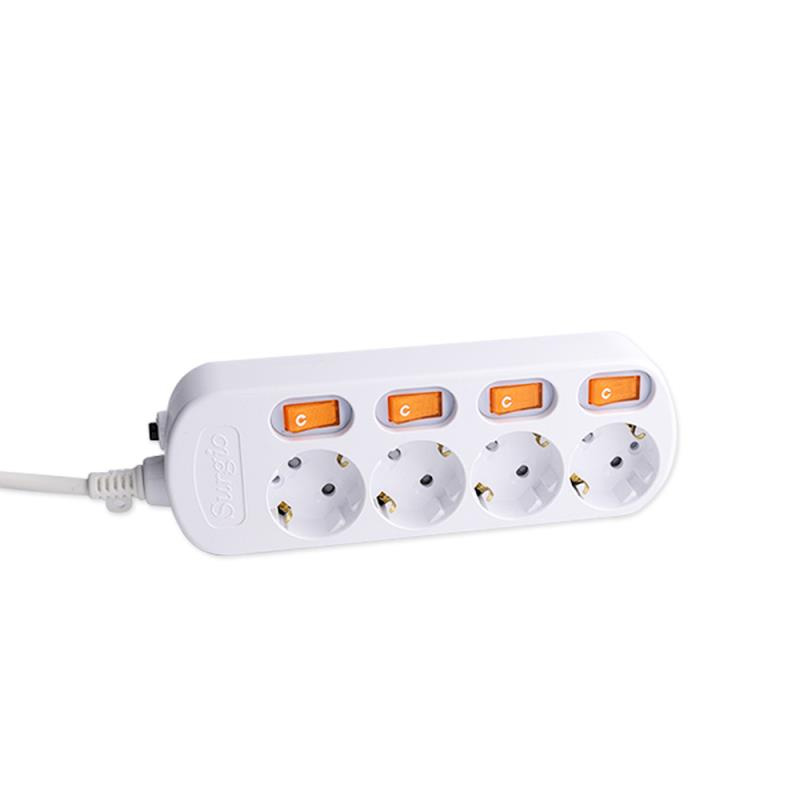
Most projects need both halves of the chain, and treating them as one purchasing line saves a great deal of finger-pointing. On the distribution side, the practical requirements are usually modest: correctly rated sockets, a real overload protection switch rather than a decorative button, and a housing material that survives the environment it is installed in.
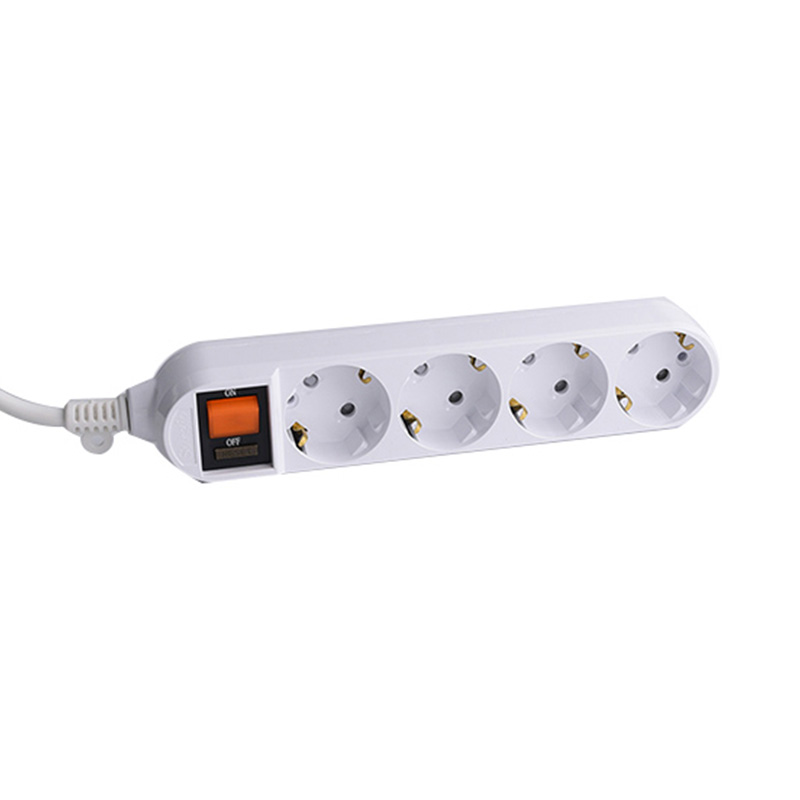 EU Four-Outlet Socket with Overload Protection SwitchA 16A EU socket block with four outlets, overload switch and fireproof PC housing for distribution-side power where basic socket protection is required.View Product →
Where the run leaves the building or crosses a workshop floor, reels solve a different problem: distance and storage. Confirm the current rating with the cable fully unwound, check the earth path, and confirm the reel is rated for the indoor or outdoor condition actually present.
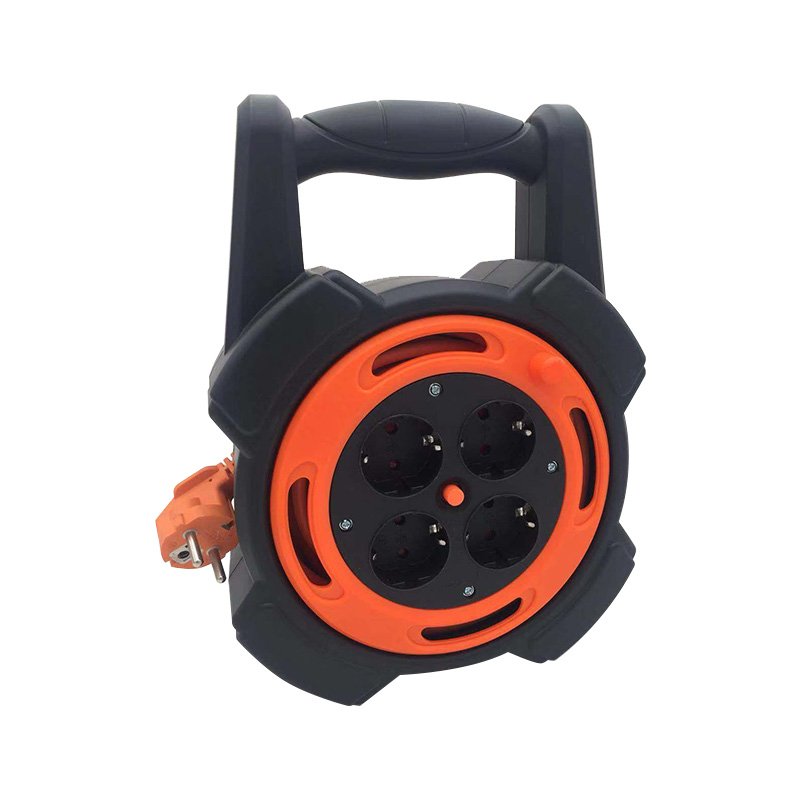 Indoor and Outdoor Cable Reel with Overload ProtectionA 10 m EU cable reel with fireproof PP housing and overload switch, suited to workshop or outdoor runs where cable storage and distance matter.View Product →
Both categories are worth reviewing as systems rather than as items, since the overload device, the cordage and the socket rating have to agree before anything is plugged in. The broader power strip range covers different outlet counts, independent switching and USB configurations for projects where the device end is already fixed.
Medical and Specialized Cable Assemblies
Once the end product is regulated, the cable stops being an accessory and becomes part of the device file. Electrosurgical instruments, for example, use dedicated single-use cables with their own connector geometry, insulation requirements and sterility chain, and they cannot be substituted with a general-purpose cord even when the current rating looks adequate. Suppliers used to standard IT cabling often underestimate the documentation load here: consistent tooling, batch traceability and a written change notification process matter more than unit price.
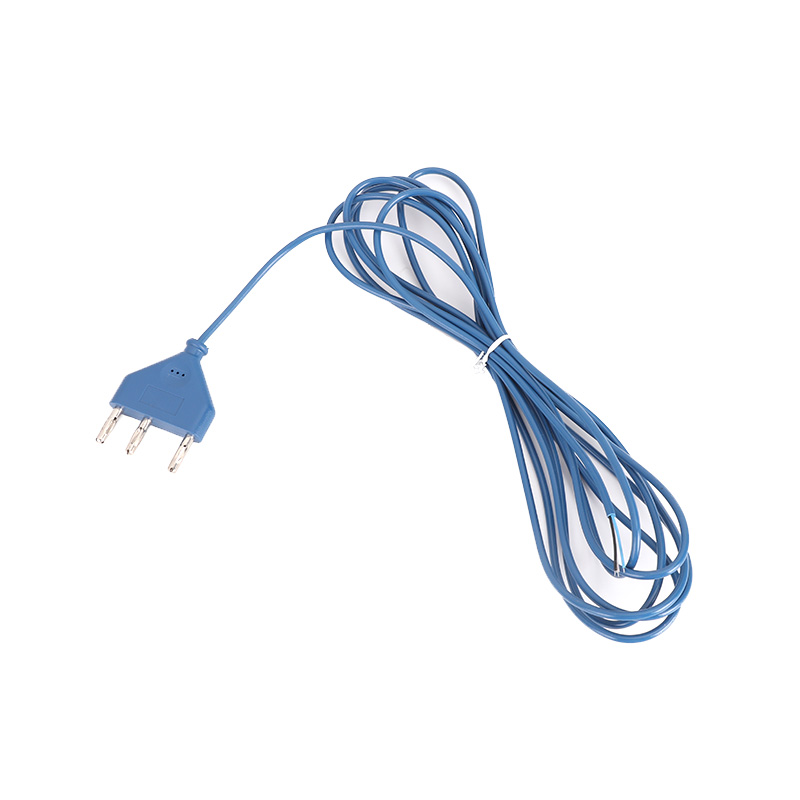 Disposable Monopolar Electrosurgical Pencil Cables for Medical UseSingle-use electrosurgical pencil cables with high-voltage insulation and defined conductor and jacket dimensions for regulated clinical equipment requiring reliable performance.View Product →
For C13-based equipment in a clinical setting, the same logic applies in lighter form: specify hospital-grade retention, freeze the approved construction, and require notification before any moulding, cordage or contact supplier changes.
A C13 outlet will never be the interesting part of a bill of materials, and that is the point. Write down the mating half, the current and temperature class, the cordage, the plug standard, the approval route and the retention requirement, then measure incoming goods against a golden sample. Do that, and the connector disappears into the background where it belongs; skip it, and it reappears as a service ticket eighteen months after the container shipped.
PRODUCTS
ABOUT US
CONTACT INFO.
- +86-18758062352
- +86-0571-64701616
- [email protected]
- No. 7, Xinqu Road, Xin’Anjiang Street, Jiande, Hangzhou, Zhejiang, China

Copyright © 2023 Hangzhou Newmany Electronics Co., Ltd. All Rights Reserved. Power Strip Manufacturer in China| Login

 TOP