
 ENG
ENG
 English
 русский
 한국어
한국어 Deutsch
Submit feedback
News

PP Power Strip Guide: Safety, Benefits & Selection
 2026.07.01
 Industry News
Content
Why Choose a PP Power Strip?
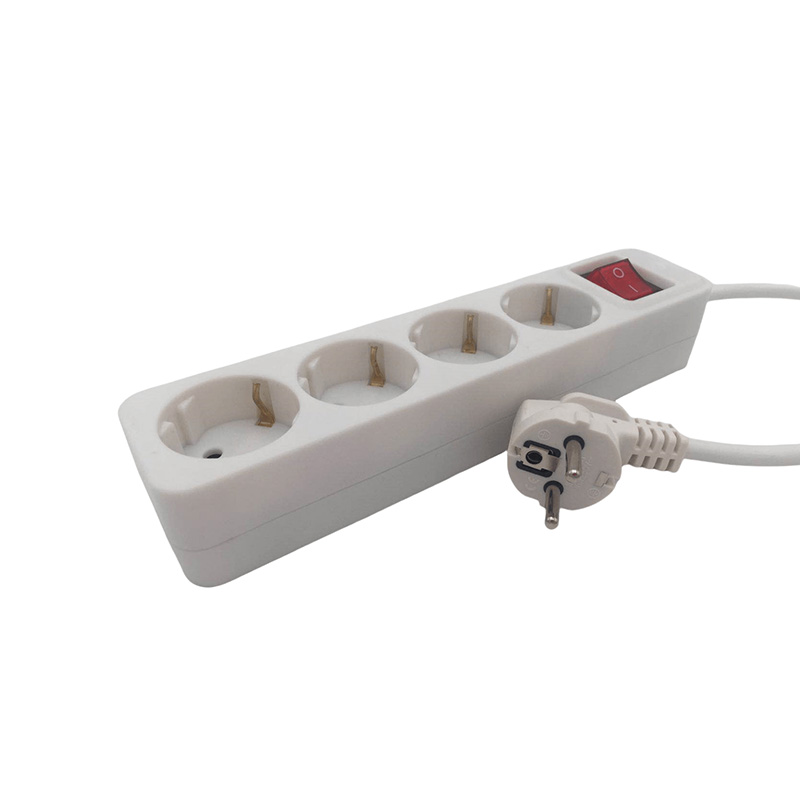
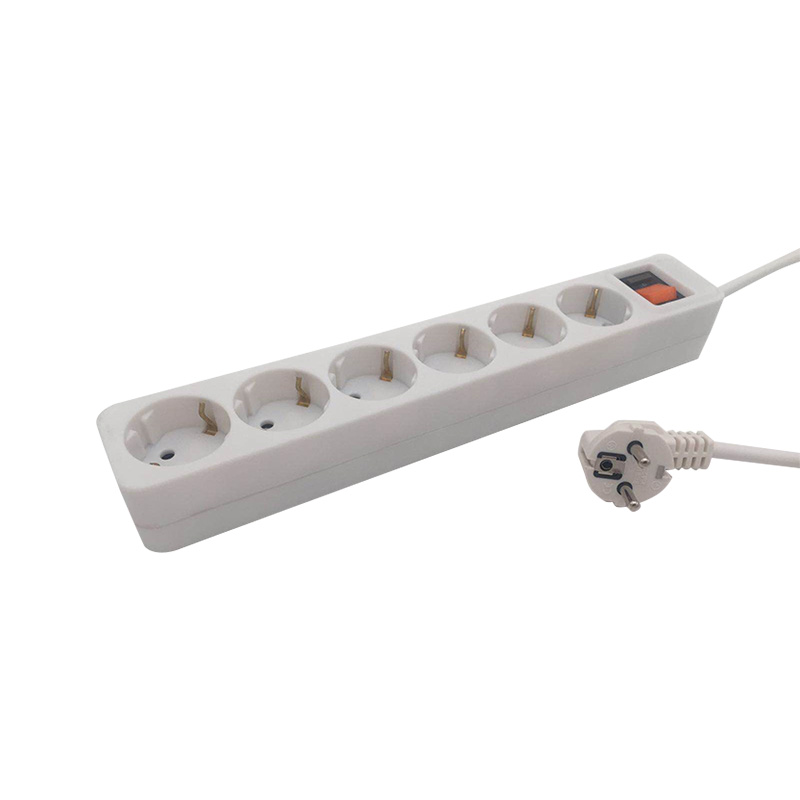
A PP (Polypropylene) power strip offers superior safety and durability compared to traditional ABS or PVC models. Polypropylene is a high-performance thermoplastic known for its excellent heat resistance, chemical stability, and flame-retardant properties. PP materials can withstand temperatures up to 130°C without deforming, making them ideal for high-load electrical applications where heat buildup is a concern.
The primary advantage of using polypropylene in power strips is its inherent self-extinguishing nature. In the event of an electrical short or overload, a PP housing is less likely to ignite or sustain a flame, significantly reducing the risk of fire. This makes PP power strips a preferred choice for modern homes, offices, and industrial settings where safety standards are paramount.
Key Benefits of Polypropylene Housing
Enhanced Fire Resistance
Unlike standard plastics that may melt and drip when exposed to high heat, PP power strips are designed to char and self-extinguish. Many high-quality PP housings meet the UL94 V-0 flammability rating, the highest standard for plastic materials. This ensures that even if an internal component fails catastrophically, the outer casing will not contribute to the spread of fire.
Durability and Impact Strength
Polypropylene is highly resistant to fatigue and impact. A PP power strip can withstand accidental drops, kicks, and heavy objects being placed on it without cracking. This mechanical robustness extends the product's lifespan, often lasting 3-5 years longer than cheaper ABS alternatives in high-traffic environments.
Chemical and Moisture Resistance
PP is naturally hydrophobic and resistant to many acids, bases, and solvents. This makes PP power strips suitable for use in kitchens, laboratories, or workshops where spills may occur. The material does not absorb moisture, preventing internal corrosion and maintaining electrical insulation integrity over time.
| Material | Heat Resistance | Flammability | Durability | Cost |
|---|---|---|---|---|
| PP (Polypropylene) | High (130°C) | Self-Extinguishing | Excellent | Medium-High |
| ABS | Moderate (90°C) | Melts/Drips | Good | Low |
| PVC | Low (60°C) | Poor | Fair | Very Low |
Safety Features to Look For
Surge Protection Capability
A high-quality PP power strip should include built-in surge protection to safeguard connected devices from voltage spikes. Look for a joule rating of at least 1000-2000 Joules for home electronics and higher for sensitive equipment. The PP housing protects the internal varistors from heat degradation, ensuring consistent protection over time.
Child Safety Shutters
Modern PP power strips often feature integrated safety shutters that cover the live and neutral contacts when no plug is inserted. This prevents children from inserting foreign objects into the sockets, reducing the risk of electric shock. The rigid nature of PP ensures these shutters remain functional after thousands of cycles.
Overload Protection Switches
An integrated circuit breaker or thermal fuse cuts off power if the total load exceeds the strip's rating (typically 10A or 16A). This prevents overheating of the internal copper bars and the external cable. PP’s heat resistance ensures the housing does not warp near the switch mechanism, maintaining a tight seal against dust and moisture.
Choosing the Right PP Power Strip
Assessing Power Requirements
Calculate the total wattage of devices you plan to connect. For high-power appliances like heaters or air conditioners, choose a PP power strip with a 16A rating and thicker gauge cables (1.5mm² or higher). For low-power electronics like laptops and phones, a standard 10A strip is sufficient.
Cable Length and Socket Spacing
Consider the distance from the wall outlet. Longer cables (3m+) offer flexibility but may introduce voltage drop if the gauge is too thin. Ensure socket spacing is wide enough to accommodate bulky adapters without blocking adjacent outlets. Rotating sockets or spaced intervals of 40mm+ are ideal for complex setups.
Certification and Standards
- UL/ETL Listed: Ensures compliance with North American safety standards.
- CE/RoHS Certified: Indicates adherence to European health, safety, and environmental protection standards.
- CCC Mark: Required for products sold in China, verifying quality and safety.
Maintenance and Longevity Tips
Regular Inspection
Periodically check the PP housing for signs of discoloration, cracking, or melting, which may indicate overheating. Inspect the power cord for fraying or exposed wires. If any damage is found, replace the unit immediately to prevent electrical hazards.
Cleaning Procedures
Unplug the power strip before cleaning. Use a dry or slightly damp cloth to wipe the PP surface. Avoid using harsh chemicals or abrasive cleaners that could degrade the plastic’s flame-retardant coating. Ensure the unit is completely dry before plugging it back in.

PRODUCTS
ABOUT US
CONTACT INFO.
- +86-18758062352
- +86-0571-64701616
- [email protected]
- No. 7, Xinqu Road, Xin’Anjiang Street, Jiande, Hangzhou, Zhejiang, China

Copyright © 2023 Hangzhou Newmany Electronics Co., Ltd. All Rights Reserved. Power Strip Manufacturer in China| Login

 TOP
TOP